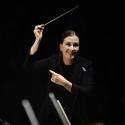
Some things that spread like wildfire, like ebola and wildfire itself, are not good news at all. But performing Nielsen’s symphonies? That’s another matter entirely. In the next concert season, the BBC Symphony Orchestra and the Philharmonia both begin Nielsen symphony programmes, while the LSO several years ago cycled through one of their own with Sir Colin Davis. Yesterday, the BBC National Symphony of Wales and their current Danish conductor – will it ever be someone Welsh? – bit off one of the mightiest in the set, the battle-scarred Fifth, with its disruptive side-drum. At this rate, people in 2050 may even be whistling Nielsen on the streets.
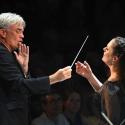
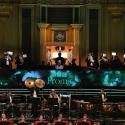
But would Thomas Søndergård’s account last night have made mass converts to his countryman’s cause? It’s unclear. Tension built slowly but smartly through the first movement’s long undulating lines, pockmarked by the side-drum’s rattle and roll – Nielsen’s clear response to the recent nightmare of the First World War. Full marks too for the added jolt in the movement’s fiery climax, where a second side-drum suddenly fired at us from the Albert Hall gallery. You might as well exploit the building if you have it.
We find Strauss wearing Liszt’s overcoat and Chopin’s trousers
Yet in other respects the building and its acoustic didn’t seem the performance’s best friend, at least from my spot half-way round the stalls. The brass proved continually bumptious, poking out far above the strings and reeling like drunken teenagers on a Saturday night. Actually, for all the symphony’s rumpus, it was in the quieter stretches that the BBCNOW really hit home: in the first movement’s shell-shocked fade-out with the clarinet’s melancholic arabesques, or the little andante section squeezed into the finale, warmed by the expressive throb of the orchestra’s cellos. All told, though, the top of my head wasn’t quite taken off by this performance. Perhaps the upcoming Nielsen cycles will oblige.
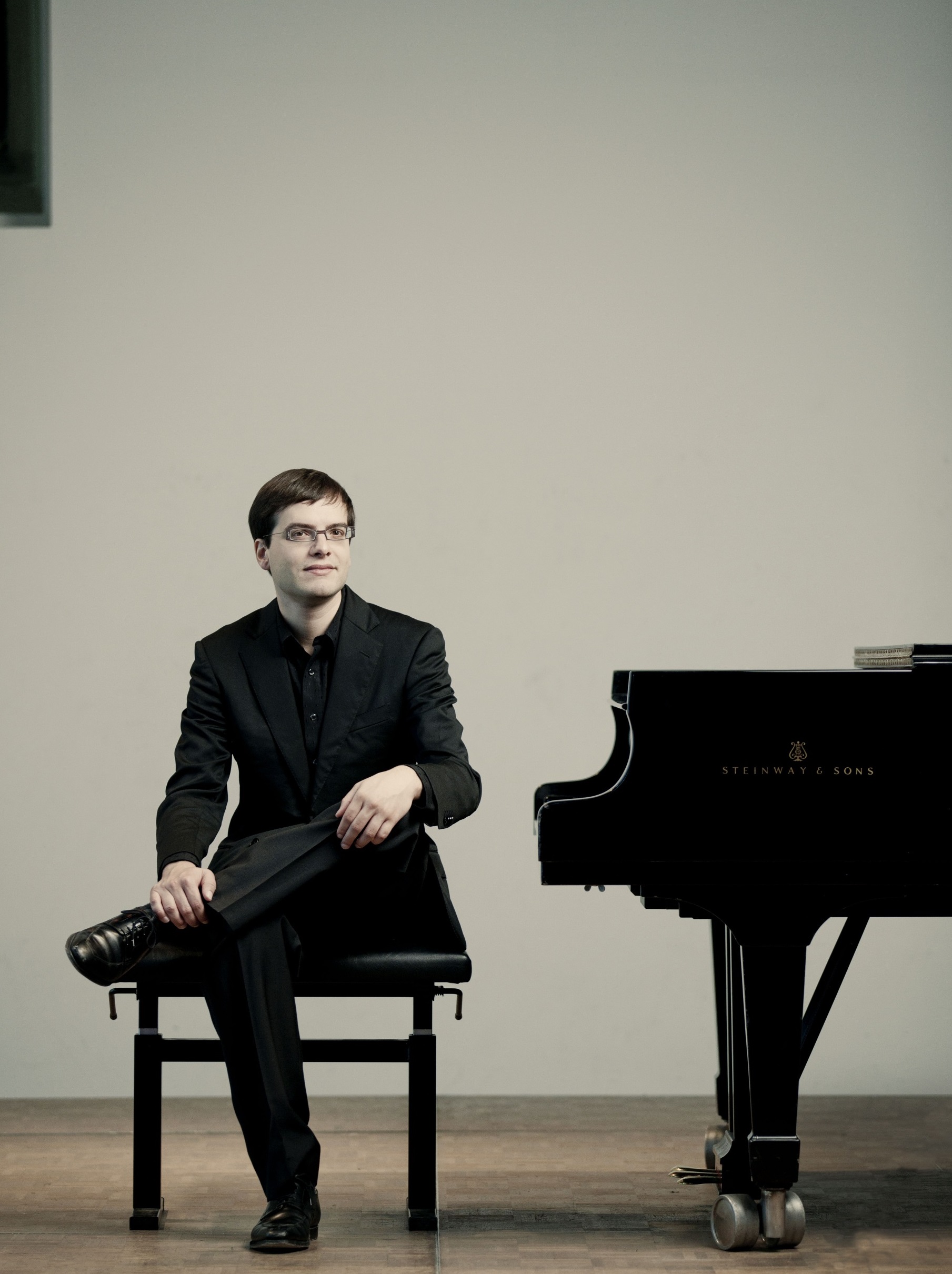 Death sounds also appeared in Søndergård’s opener, Strauss’s early tone poem Death and Transfiguration, though its halting heartbeats and emotional thrashings soon gave way to the transformation theme’s rising curve, succulently traced here. Eminently Straussian in structure, harmonic language and musical motifs, the piece cut a sharp contrast with its concert companion, Strauss's juvenile but fun piano-and-orchestra Burleske, completed just three years before. There we find Strauss wearing Liszt’s overcoat and Chopin’s trousers, wearing them too with a youthful élan well conveyed by the gifted soloist Francesco Piemontesi (pictured, above right, by Marco Borggreve), a recent BBC New Generation Artist.
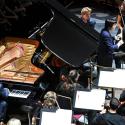
Hands firmly positioned over the keys, the touch of this Swiss-Italian pianist remained deliciously light through all the work’s technical difficulties. Brilliant cascades shot out to dazzle us. He even generated appreciative chuckles as he jumped down to the lowest register in a chain of abrupt, knotty chords as the work’s whimsical end approached. The jewellery became more polished still after the interval in Mozart’s A minor Rondo, K.386, despatched with just the elegant ease and clarity this composer needs. Piemontesi’s exquisitely poised encore, a limpid sliver of a Mozart sonata, proved the ideal icing on the cake – and just the squirt of civilisation needed before Nielsen’s menacing side-drum arrived.