And so Wotan’s ravens flew home and at the twilight’s last gleaming the immortals were consumed by fire and water. All was finally and irrevocably redeemed by the power of love, and the most beautiful of all the leitmotifs in Wagner’s Ring rolled out across the Albert Hall like a benediction. It was a defining moment in Proms history, no doubt, and was greeted with a few moments of perfect - and I mean perfect - silence.
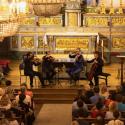
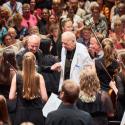
After minutes of rapturous applause, Daniel Barenboim spoke spontaneously and without a microphone to the huge capacity audience (pictured below). He talked of the way they listened and the quiet intensity with which they listened, and how that made for a communion with him and the performers which ultimately made the extraordinary possible. And make no mistake, this Ring was extraordinary.
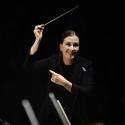
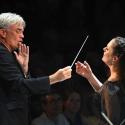
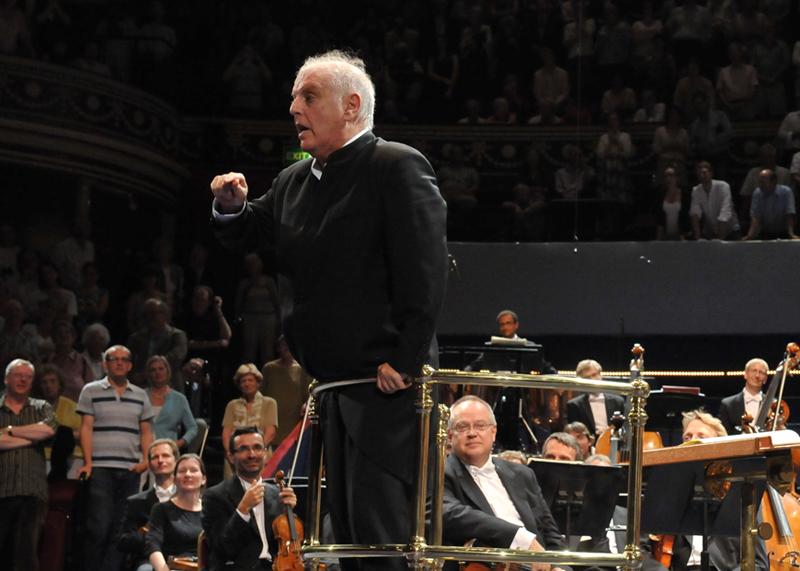 It was, of course, very much Barenboim’s show, Barenboim’s enterprise, and the micro-management I spoke of after Die Walküre grew more apparent as each segment unfolded. But it was inspirational and felt spontaneous (the art concealing art), and there were things that I had never heard in decades of listening and will never forget. In Götterdämmerung it was the dawn arriving in myriad dynamics of shifting light and, at the close of the piece, the new dawn, heralded by a swell of resolving brass harmonies which broke like one last wave over the proceedings and ushered in the final statement of that serenely lucid “redemption of love” motif.
There were profound pianissimi that you never quite believed and would in the blink of an eye transform the atmosphere in the hall; there was articulation from the Staatskapelle Berlin, not least in the strings, that lent the whole mighty edifice uplift and direction, and phrasing that moved and excited and shaped. Indeed the playing was so supremely good that a split note in the horns at the start of act three elicited an almost audible gasp of surprise.
A supreme account of a supreme work of art, no question
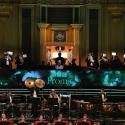
Even the Royal Albert Hall - the most problematic of venues - became a theatrical temple with stage director Justin Way underlining Wagner’s spatial effects so that Siegfried’s Rhine Journey and Hagen’s hunting horns could tantalise and surprise us with changes of direction. And there were just simple things like having Siegfried and Brünnhilde celebrate their union from the vantage point immediately in front of the organ console, where several hours later she will deliver the moving eulogy for her superhero.
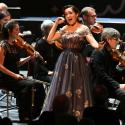
She, of course, was Nina Stemme, a singer and a voice of prodigious power and focus but, more importantly, warmth and evenness of production. In joy and in fury she was thrilling, and what a change to hear a Brünnhilde with a proper, as opposed to a pushed, top C. She crowned the dawn duet with an absolute stonker.
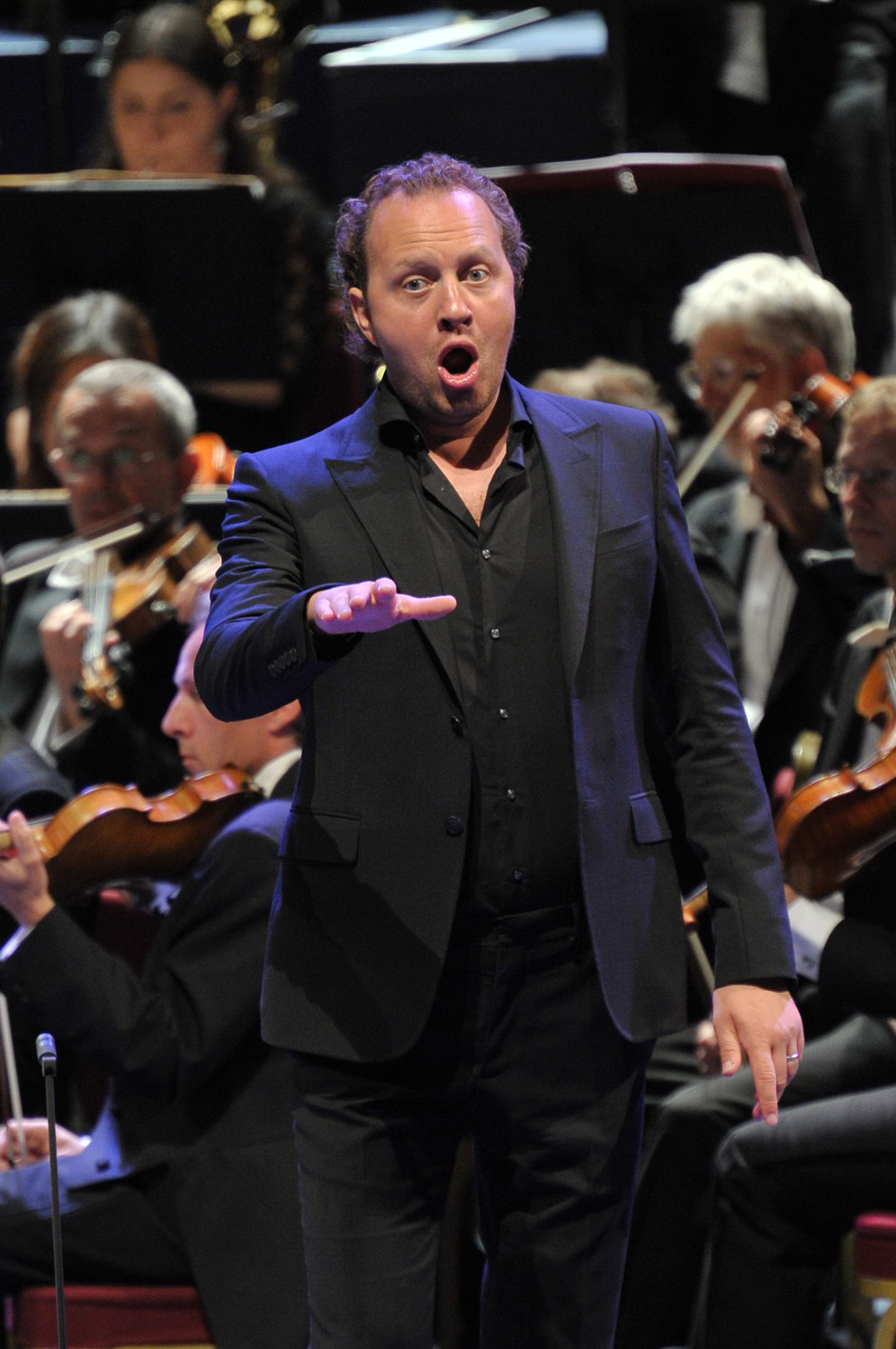 And speaking of top Cs, Andreas Schager’s Siegfried did not shirk his, either. On the contrary. What a discovery he is - a virile and throughly physical Siegfried, lithe and lissom, bounding across the stage like the fledgling hero he is, innocent and wilful. It was a total performance, and though his is a change of Fach in its early stages one hopes it may develop into something durable.
The Hagen here, slightly over-parted in this size of venue, was Mikhail Petrenko (pictured left), a major departure from the weighty and black-voiced Hagens we have grown accustomed to. He was a presence, though, and manifested his evil intent through grotesque distortions of key words, stretching and curling vowels into malevolent snarls. The playground of his scheming - Gibichung Hall - was the setting for a second act of thrilling urgency and immediacy, Barenboim tightening the screw remorselessly, treachery and deceit piling up in some of the most visceral music Wagner ever wrote.
And Wagner must have the last word - and did - in that great final scene where his grasp of the epic and refined sense of the intimate and that which is innately (and destructively) human come full circle. A supreme account of a supreme work of art, no question, and one after which we must take a deep breath if it is not to make an anticlimax of everything still to come in this 119th season.