While it is an incontrovertibly good thing that the classical music world has set about rediscovering the work of neglected female composers, not all rediscoveries are equally worthy of being found. Particularly on a day like International Women’s Day (IWD), concert programmers run the risk of unearthing work that tends towards the mediocre, and which can end up being tokenistic.
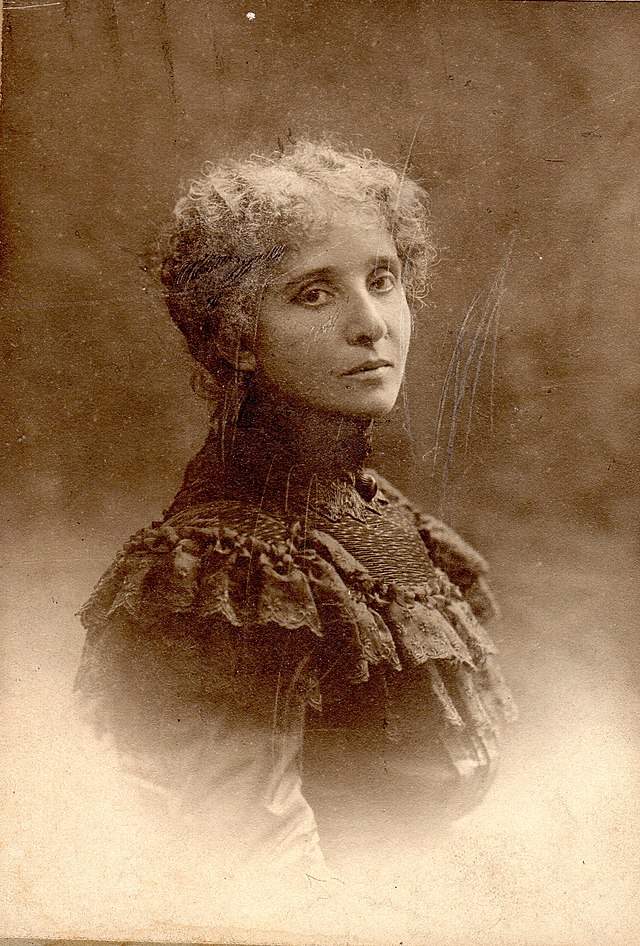
Not on this IWD concert, however. I’d never heard of Mel Bonis (pictured below) until this Royal Scottish National Orchestra concert, but her Trois femmes de légende proved a delight. She studied with Franck in Paris, and Debussy was one of her fellow students, so it’s not surprising that her portraits of Ophelia, Salome and Cleopatra bear a lot of their influences.
 They’re a treat for the ear, though. Ophelia’s music moves with a delicate ripple that reflects her limpid, fragile personality, while Salome’s carries the heat of the Judaean desert with a whiff of heavily-spiced musical orientalism. Cleopatra’s on the other hand, is a constantly rotating sequence, depicting the kaleidoscopic queen at her most colourful.
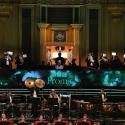
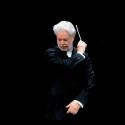
The musicians of the RSNO paid Bonis’ music the great compliment of taking it seriously, with some particularly lovely wind solos, and the sense of impressionistic shape-shifting fed into the other French music on the programme. La Mer was an RSNO showpiece under one of their previous bosses, Stéphane Denève, and in the years since they have lost none of their ability to make Debussy’s music ripple and shine like the constantly shifting seascape it depicts. The music’s melding of textures and themes is second nature to them, but what was impressive about conductor Thomas Søndergård’s reading was the way every element was built together with cleanliness and clarity from top to bottom. That also helped a sensationally lovely performance of Ravel’s Une barque sur l’ocean, which was worth the price of admission on its own because of the way it managed to combine surging, swelling forward movement with gorgeous, shimmering delicacy, particularly at the top of the violins.
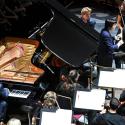
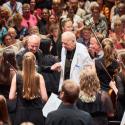
That also fed into a terrific orchestral reading of Chausson’s Poème de l’amour et de la mer, and star mezzo Catriona Morison sang it with the dark, focused beauty that we have come to expect from her. Not as much expression as you’d have hoped for, though: this reading didn’t change much, so that her singing of the burgeoning optimism with which the text opens sounded uncomfortably similar to the lovelorn loss of the end. That said, during several of the pauses she had to reach for her tissues or drinking water, so she may have been unwell (though there was no announcement), in which case, well done to her for carrying on at all.  However, the broadest smiles of the evening came thanks to two short pieces by Joëlle Broad, played by the orchestra alongside musicians from Big Noise Wester Hailes (several pictured above). This is part of a community music partnership which is effectively Scotland’s answer to El Sistema. The Edinburgh programme is only 18 months old, so that the seven- and eight-year-olds on stage qualify as its senior students, but they played Broad’s simple music with such joy and concentration that it must have brought a grin to the face of everyone in the audience. It’s enough to give you hope for the future.