I’d not previously identified much comedic potential in Mahler’s gargantuan Sixth Symphony, a piece which would feature prominently in many people’s lists of most depressing works. Which presumably explains why this astonishing concert wasn’t a sell-out, and why the prevailing gloom prompted a fair few audience members to make an intrusive dash for the exit before the double basses sounded their final pizzicato.
Still, despite the darkness, there were giggles to be had. Mahler’s hammer blows of fate are difficult to realise. Here, a poker-faced percussionist precariously wielded a giant mallet, at the last minute bringing it crashing down on a flimsy-looking wooden crate. Only the letters ACME were missing. But, importantly, the brutal, hollow thud sounded magnificent.
The Trio’s rhythmic quirkiness was nicely caught, and the movement’s deathly, exhausted winding down was sheer perfection
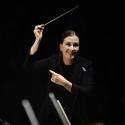
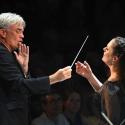
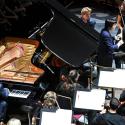
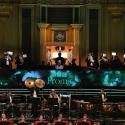
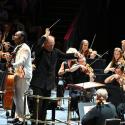
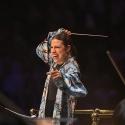
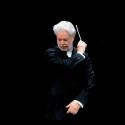
Stephane Denève’s Stuttgart Radio Symphony Orchestra make an astonishing rich, dark sound. The stage layout helps – violins divided antiphonally, double basses in the centre. Having the lower brass on the extreme right was revelatory; Jűrgen Wirth’s sonorous tuba-playing was one of the evening’s highlights. Mahler 6 is probably this composer’s most tautly constructed work. In a great performance, the minutes fly by, a rare instance of more adding up to less. Denève’s tempi were well-chosen in the extreme – the first movement’s march theme never feeling rushed, the glorious second subject’s ebb and flow beautifully caught. The pastoral idyll at the centre was sublime, boasting gossamer string trills, tinkling cowbells and exquisite wind solos, Mahler’s unsettling, subversive bass pedal making its presence felt. Denève’s first movement coda was brazenly exultant, the Scherzo’s opening bars consequently more oppressive. The Trio’s rhythmic quirkiness was nicely caught, and the movement’s deathly, exhausted winding down was sheer perfection.
The Andante moderato’s wordless song unfolded at a flowing tempo, upper strings playing at stratospheric heights with disarming ease. Weighty, vibrato-rich string playing was one of the evening’s many delights, presumably a pleasure deemed off-limits to these musicians during Sir Roger Norrington’s controversial tenure as Principal Conductor. Denève’s vast Finale mesmerised, the 30 minutes passing in the blink of an eye. The offstage tubular bells were ideally distant. Massed horns swooned and roared. Trumpets screamed. Mahler’s emotional extremes were realised to perfection. Performances this good lead you to believe that a triumphant ending could just be within reach, making the last minute collapse that more alarming. The lonely trombone chorale was devastating here, and the stunned silence which greeted the last note spoke volumes.
Light relief was provided earlier by Norwegian violinist Henning Kraggerud in a vivacious, effervescent performance of Mozart’s K219 Violin Concerto. Purity of tone was never compromised by Kraggerud’s incessant shimmying, twirling and swaying, his refreshingly unkempt fringe an ideal foil for Denève’s unruly mop of curls. Kraggerud’s insouciant, casual handling of the last movement’s throwaway ending was delicious. You wanted to leap on stage and give him a hug. Terrific stuff in other words – and the same team repeat this programme in Nottingham later today and in Edinburgh on Monday. Unmissable.