Lest we forget. On Flanders’ Fields. For the Fallen. No one does stiff-upper-lip, buttoned-up remembrance quite like the English. Since its composition only a little over half a century ago, the War Requiem has become our national anthem for the departed. When Britten’s hastily greasepainted collage of Wilfrid Owen and the best bits of Mozart and Verdi (not to mention Berlioz) is retired every so often, something more muted is generally preferred for chilly November evenings: Fauré, or at a stretch Duruflé, Requiems as sympathetic to sing as they are to listen to, with melodies as sweet as a sugar-coated pacifier, long enough to have a little cry to, discreetly brief in the coverage of hellfire and damnation.
No less immediately French in sound and impact, the Grande Messe des Morts strikes a quite different key signature. Ever more an embittered atheist, Berlioz was not in the business of consolation. First performed at a military funeral in the vast acoustic of Les Invalides, his Requiem embodies the French Republic at prayer.
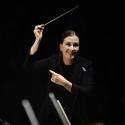
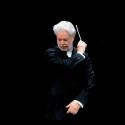
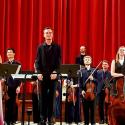
The BBC Symphony Orchestra has a Berlioz tradition of its own stretching back to the 1960s and the stewardship of Sir Colin Davis, but they can rarely have played French music this way, except under Marc Minkowski. As he did for L'enfance du Christ three years ago, François-Xavier Roth turned them into a period band without making a Norringtonian song and dance about it. The string bass sound was planed smooth and warm as a communion rail. Violins found a plangent yet sweet register that suited Berlioz to perfection. Pure tone throughout the orchestra brought detail, bright and shining, from what is often a set of sonic monoliths irregularly separated by subterranean rumbling.
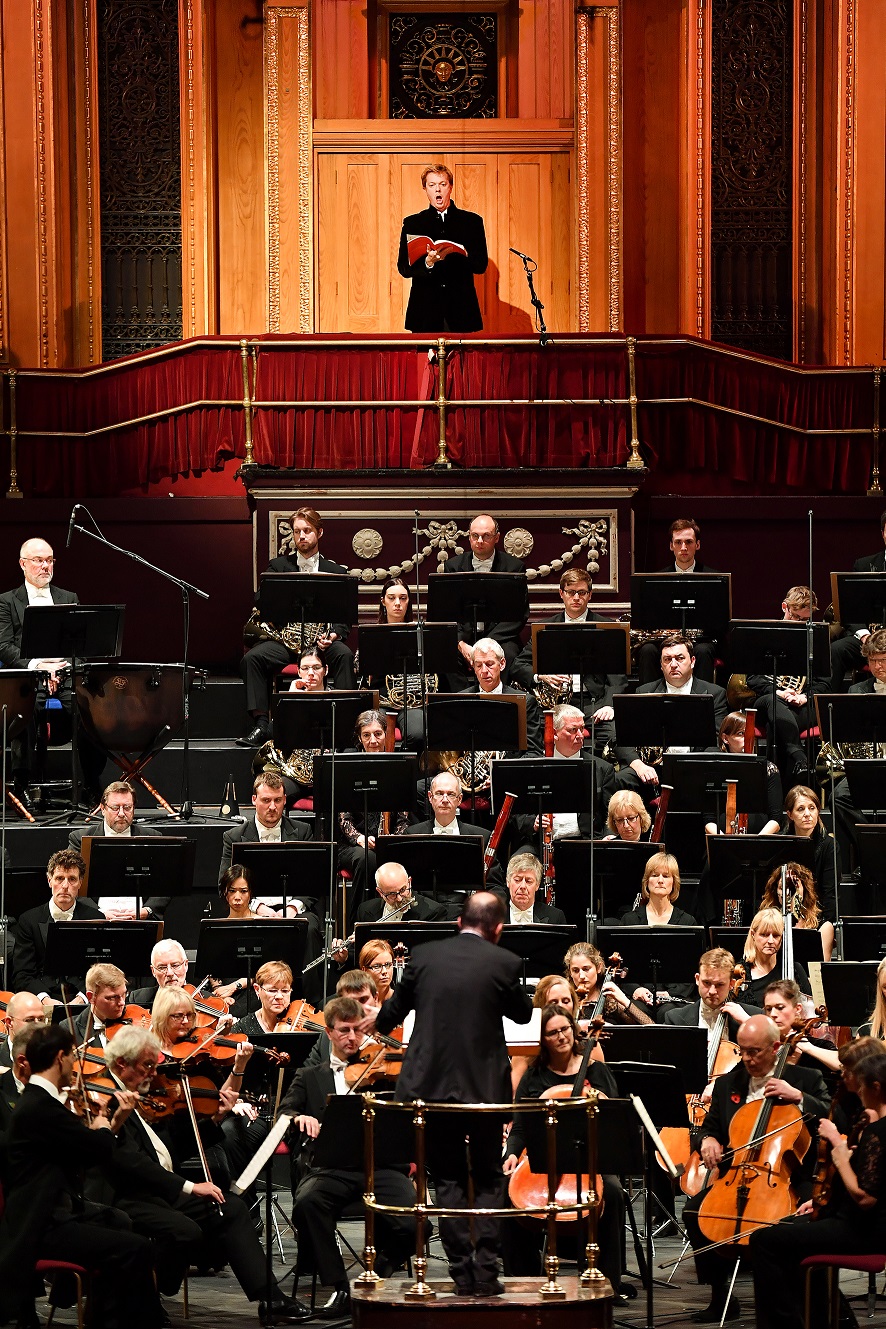
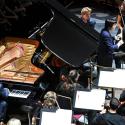
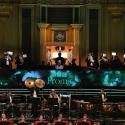
Still more striking and revelatory was the choral work. Rex tremendae was thrillingly hurled out by the BBC Symphony Chorus, Crouch End Festival Chorus and London Philharmonic Choir, banked either side of the unused organ. Meticulously enunciated French Latin closed up the vowels of key words such as "futurus", blending them pungently with a wind band which seemed to include every bassoonist in London. The effect was continually fresh and enlightening, opening our ears on to the music Berlioz would have had in mind when writing the Requiem in 1836-7, not only his near contemporaries such as Gluck and Le Sueur but Baroque masters of ceremony such as Rameau and Delalande. The thunderous Dies Irae was like a Charpentier psalm setting inflated to Babylonian proportions, sung as if by the population of a city under siege.
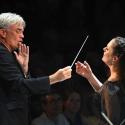
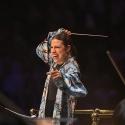
Roth never allowed the size or acoustic of the Royal Albert Hall to dictate terms to him. His theatrically astute pacing carried energy through to the Requiem’s weaker second half and brought a welcome clarity of structure to its ritualistic alternation of bold but undeveloped material. The Offertory could be heard as a long echo of fragmented ideas in the wake of the Lacrymosa’s infernal canons. Roth's ear for modernist sonority made unsettling sense of the Hostias, in which a male chorus of supplicants was framed by an instrumental scaffold of flutes and trombones as hollow and desolate as a bombed-out cathedral.
The tenor solo of the Sanctus was radiantly sustained by Toby Spence (pictured above), if not without obvious effort, and accompanied by a flute solo of unearthly purity from Michael Cox. With his unfussy authority, Roth held the silence which fills the void after the Agnus dei’s final drum-taps: a welcome gesture of sobriety at the end of a concert and a day to remember.