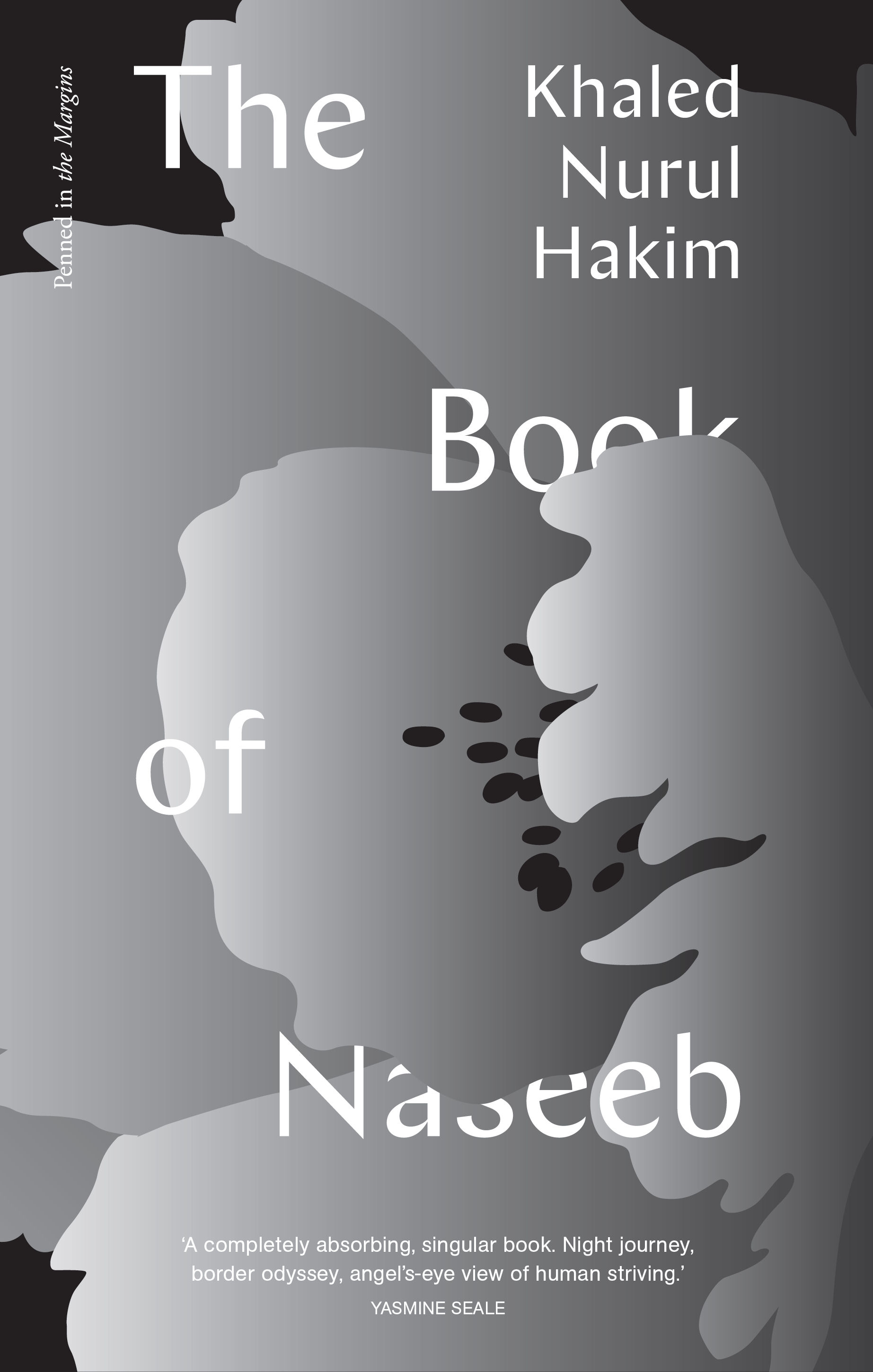
A small-time heroin dealer harbours idealistic dreams of building a hospital “to help da limmless in Peshawar and Kabul”. This is the premise of The Book of Naseeb, the debut novel from Khaled Nurul Hakim. Perhaps audaciously billed as a “degraded epic”, The Book succeeds in what is an extremely ambitious undertaking, following its unlikely protagonist across the backstreets of London and Birmingham to motorway service-station toilets as he attempts to cash-in on his latest smack haul.
That The Book should exist as a novel at all owes itself as much to chance as to Hakim’s dedication. Adapted from a screenplay initially scheduled for shooting in Uzbekistan in 2005, Hakim aborted the original project upon the outbreak of civil unrest. An interlude of seven years passed before The Book’s reworking into its present form, though extensive passages of dialogue testify to its former life. Each is cast in Hakim’s unique blend of Quaranic-inspired grammar and tone, and a gritty modern vocabulary that code-switches, in the manner of contemporary Wasteland, from Arabic, to Urdu, to British street argot.
Naseeb is not alone on his journey, but accompanied for the novel’s opening half by the ‘Noble Scribes’, or Kiraman Katibin – angels who, in Islamic theology, are tasked with recording the deeds of men. The Book therefore doubles as the Scribes’ “account”, while their proximity to Naseeb makes for a subtle addition to the omniscient narrator conceit. They are more than neutral minute-takers, however; the Scribes play an active role in The Book’s literary intent. By relaying the emotions, thoughts and actions of a man who, despite his ostensibly criminal occupation, is well-meaning, they serve to endear the reader away from a simplified black and white conception of morality. Rather than the shrewd and scheming drug-dealer that readers may be conditioned to expect, Naseeb cuts a frustratingly scatty, even fragile figure. In one scene, the “Followers” (or “protecting angels”) shield Naseeb's eyes from spotting the clamp around his car wheel. Their motive: that if noticed, “Truly, his heart wud freeze an the ignominy of da weak wud overwelm!”
With similar interest, The Book turns its attention to the often hypocritical details of religion. Hakim is minded less towards criticism of its claims – his former exploits include, amongst other things, becoming a Sufi musician – but instead draws power from religious ambiguities. The Scribes are made to grapple with the paradoxical relation of their own role, anxiously recording Naseeb’s actions while in full consciousness of the principle of pre-destination that threatens, at every moment, to negate their efforts. The Followers, in turn, are undermined by the Scribes; their frequent moves to avert Naseeb from the course of danger solicit only a satirical response: “as if they cud deflect an atom!”
 It is the title of the original screenplay, Barzakh, that gives its name to the novel’s second section. Indicating in Arabic a “divide”, or “barrier”, it is a term that holds Islamic significance akin to purgatory, as a place “where deceased souls await the final Judgement Day.” This particular Barzakh, although it initiates a dialling-down of some of The Book’s linguistic experimentation, is nonetheless equally courageous: the “divide” has been re-conceived in Hakim’s fertile imagination as a modern-day border-crossing, situated on the fringes of a desert warzone. Left to navigate his own way, Naseeb enters into a disorientating experience that leaps across space and time, loosed from its excellent but more conservative grounding in the not-unfamiliar world of petty crime.
The Barzakh bears the characteristics of a dream, operating (for the best) at the very fringes of the comprehensible. But its two parts taken together, Hakim’s work is located firmly within the real. The Book of Naseeb sits at the pinnacle of the contemporary, addressing itself to the particular challenges, and the people, of today. It is a profound contemplation of human struggle, and remarkably impressive.
- The Book of Naseeb by Khaled Nurul Hakim (Penned in the Margins, £12.99)
- Read more book reviews on theartsdesk