Anyone who says Handel can’t do psychology should spend an evening with Orlando. Form, orchestration, even exit conventions are all reinvented or cast aside for a work of startlingly contemporary fluidity, where music is completely the servant of drama. Stripped back to little more than the score last night, in one of the Barbican’s very-semi-stagings, Handel’s emotional architecture was completely exposed, allowing us to see just how jaggedly inventive its lines really are.
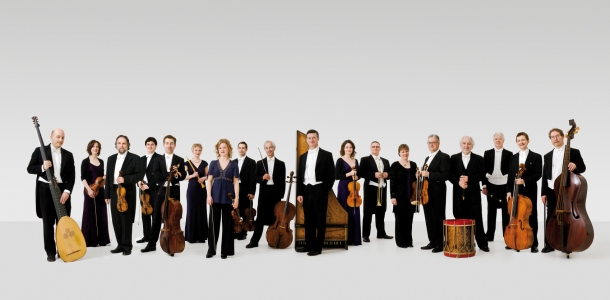
Which makes it all the more frustrating that, while stylish and efficient, The English Concert’s performance wasn’t just a little bit more Italianate, more willing to take the risks that might have sacrificed prettiness and order for excess and a passionate chaos equal to the score itself.
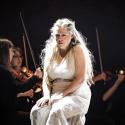
Iestyn Davies gave us a mad scene of unsettling delicacy
It wasn’t a question of speeds – Bicket’s were, if anything, on the swifter side – more of instrumental rhetoric and variety of tone colour. Despite some wonderfully ardent work from the cellos, the orchestral playing tended towards the anonymous, briefly flaring into colour with the addition of horns, recorders or bassoon, but only seizing at the throat during the exquisite “Gia l’ebro mio ciglio” – Orlando’s aria of calm after the storm of madness, scored with outrageous daring just for viola duet (originally violette marine) and continuo. We’ve seen far less musical Handel from European ensembles at the Barbican recently, but in performances that – for all their rough patches – still had more spark.
 And this despite a really excellent cast. Singing the title role, Iestyn Davies gave us a mad scene of unsettling delicacy, drawing differences all the more disturbing for their subtlety between his moments of seeming calm and his murderous fury. Earlier, a blistering “Cielo! Se tu il consenti” showed the extremes of his coloratura agility, while “Gia l’ebro” reminded us that few countertenors can spin a longer legato line, or sustain it with such warmth and beauty. Just occasionally the role’s heavy demands on the lower end of the voice left Davies a little light in the balance, but it’s a small quibble considering the sheer scope of musicianship on show here.
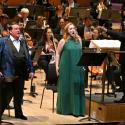
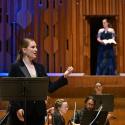
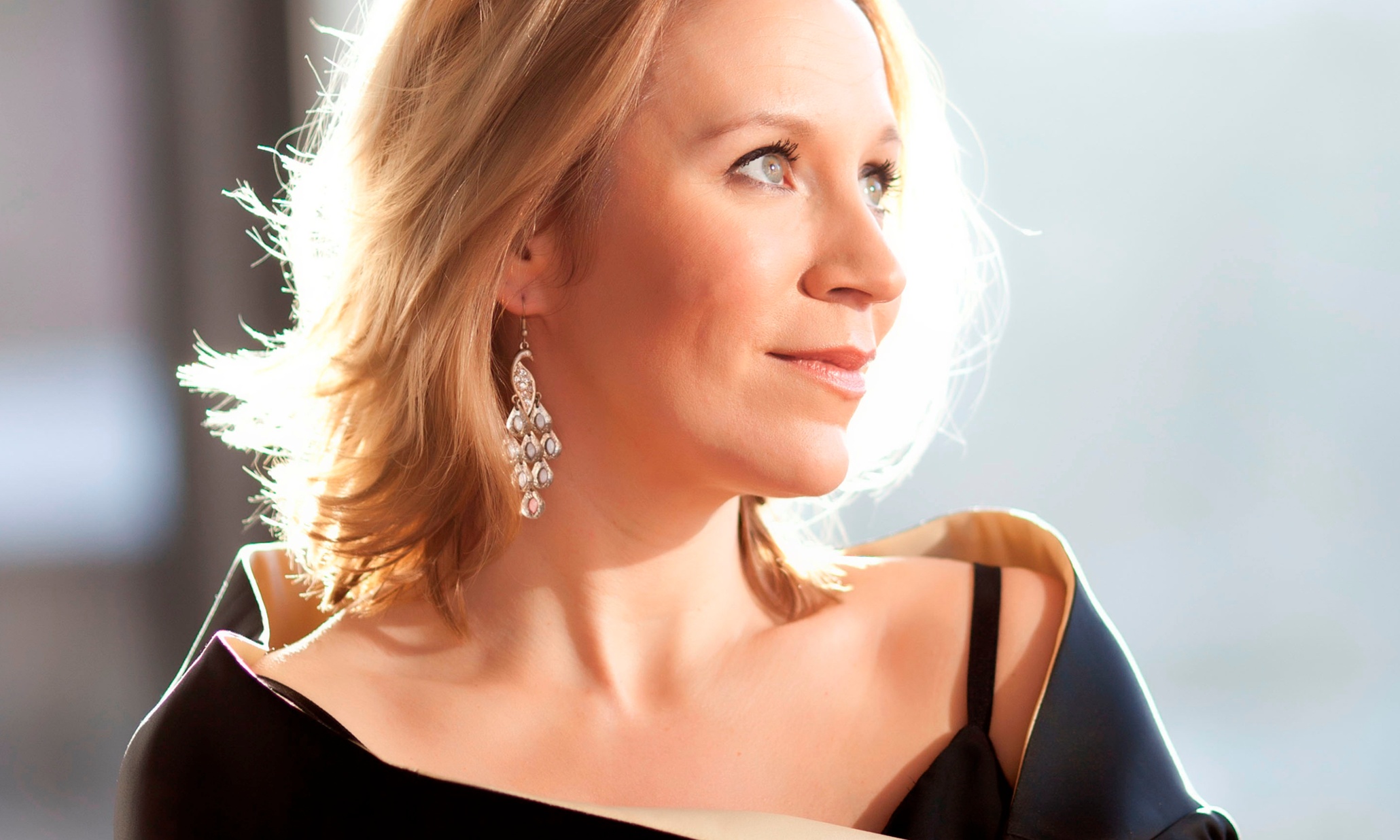
Carolyn Sampson (pictured above) – a soprano we don’t see enough on the opera stage – made a graceful Dorinda, vocally agile and adding a silvery sheen to the top of ensembles. Only the glorious trio that closes Act I “Consolati, O bella” blotted the landscape, Bicket’s sprightly speed denying the three singers the space to find the characterisation that speaks so clearly through the music. Sampson’s Dorinda – at her emotional nadir here – suffered most, denied the tragic weight to help anchor her more comic moments.
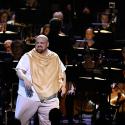
 Erin Morley’s Angelica was, likewise, a little dramatically lightweight. If thwarted love for her is enough to propel Orlando into the kind of frenzy Handel’s music paints then there has to be something more to her than pettish, pouting charm. Musically though it was a superb performance, blending beautifully with Sasha Cooke’s oddly uneven Medoro. Cooke’s is a voice with an exciting range of colours and some real heft to it, but too often here it tended to blurt, and frequently the ends of phrases were left ragged and unfinished. Kyle Ketelsen’s Zoroastro rounded off the small cast – bluffly sonorous, dispatching some of Handel’s finest arias for bass with precision
Welsh National Opera’s recent production gave us Orlando with plenty of drama but very little score, and now with the English Concert we get the reverse – a performance bursting with vocal skill but lacking in dramatic weight. Would it be greedy to ask for both from an opera house in the near future?