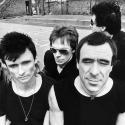
The buildup to this album offered quite a bit of hope. The promo blurb with it talks about “cutting loose, trying new things… hark[ing] back to their gritty origins… freed from any expectations.” Most glaringly, it says it’s “the album the band says they’ve always wanted to make” – perhaps, along with the plaintive album title, a tacit admission that their heart hasn’t really been in the modern day AOR they’ve been pumping out every since the strained “woah-woahs” (“millennial whoops”) of “Use Somebody” and “Sex on Fire” blasted them into the mainstream in 2008.
The thing is, the Nashville band of brothers (and cousin) were an incredible musical force when they arrived fully formed in 2002: their “what if The Strokes were good ole boys” schtick elevated to way more than the sum of the parts by brilliant playing, sense of musical history and ability to infuse everything with killer hooks. When those hooks became over-egged, it was one of the most dramatic turns for the cheesy in modern rock, and after a decade and a half of bellowing them around the world’s arenas it’s no wonder they might want to get back to something more “gritty”.
Fantastically, they have succeeded… kinda. Pretty much the whole first half of this album manages to walk the razor edge of keeping the big Coldplay / U2 / Killers dramatic surges but holding them down, folding them inwards into the fabric of the songs, and letting texture, groove, vocal tone and fun production quirks lead the way. Harry Styles / Florence producer Kid Harpoon – who they’re working with for the first time – must presumably take some credit here, but this is unmistakeably the sound of a band who know and love their instruments and voices, having a great time in the studio.
From “Ballerina Radio” through “Don’t Stop the Bleeding” the album is a joy, plenty of country chug and classic rock, but pushed along by a Krautrock sense of repetition, and little tweaks and filters on the mixing desk constantly adding sonic spice – never seeming like affectations, always locked in with the playing. But sadly, the boys can’t help themselves, and for the last half, the classic rock part ramps up, and with the single "Nothing to Do" they each plonk one foot on the monitor speaker, lean towards the crowd, those woah-woahs steam in, and the magic all but dissipates. You can’t blame them – the “anthemic” has been their bread and butter for years after all – but it does throw a spanner in the works of what, for almost half an hour, is the comeback of the century.
Listen to "Mustang":