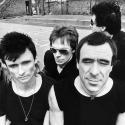
The Rhythm Method by Nicky Forbes dives into the working, gigging, cash-free underbelly of real rock’n’roll life. Whereas most music biographies are written by or about those who’ve made it, who live in the gilded cage of pop stardom and all that entails, The Rhythm Method is about Forbes’s life as drummer in The Revillos, a cartoonish post-punk outfit born from the ashes of the more successful Rezillos. It is a chattily told saga of bad decisions, misfortune, dissolution and a persistent inability to realise when the game is over.
One example of The Revillos’ bad luck is when their rising (and only) micro-hit “Motorbike Beat” is offered a spot on Top of the Pops. The band are given no time to rehearse or perform as the day has been given over by BBC executives to someone else, someone upon whom Hopkins pours ire: “The record was soaring up the chart that week and it was total crap. It had been played to death on Radio 1 only because it was by someone called Keith Michell. He had played Henry VIII in a hot BBC drama so he was big news… They were licking Keith Michell’s rear and he was cutting severely into everyone else’s rehearsal time.” The result was a Number Five hit in 1980 for Keith Michell and a Number 45 hit for The Revillos.
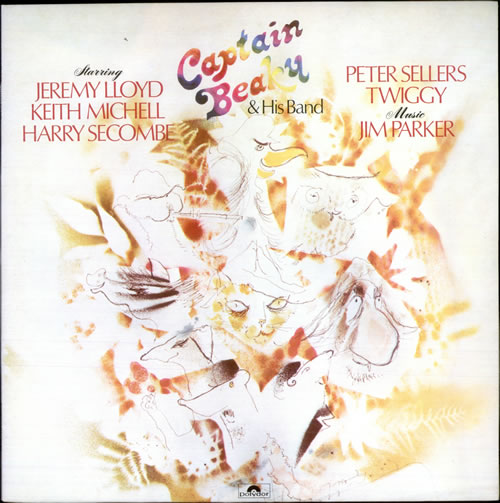 I was 12 at the time and had never heard of The Revillos, but the two albums of poetry and song created by TV scriptwriter Jeremy Lloyd and featuring Peter Sellers, Twiggy, Penelope Keith, Harry Secombe and others were regulars on the cassette player in our family kitchen, usually as meals were being cleared. They were, of course, as Nicky Forbes observed, the antithesis of punk’s recent outrages - cosy, twee and harking back to Edwardian juvenilia. Then again, with their jokey, cod-Aesop poetry songs about animals, they weren’t aimed at Sex Pistols fans, they were aimed at children. As the oldest of four siblings, I heard those albums played for many years, long after I’d moved on to The Jam, Madness and so on, but confess I always retained a soft spot for parts of them.
I’m obviously not alone in this. The UNICEF Wonderful World of Captain Beaky charity night at the Royal Albert Hall, while not sold out, is very well attended. My parents and two daughters (eight and 13) are also in attendance. The latter had never heard anything about Captain Beaky before I played them a few YouTube clips last week. It left them bemused, I think, and made me wonder at how a few cartoon sketches by Michell and Lloyd’s whimsical poetry had so caught the public imagination in a very pre-internet age. The night’s overall ambience is like a Royal Variety Performance, especially as Lloyd, avuncular and 81, introduces everything sat in a huge armchair upstage. The two albums’ eponymous only hit was a simple narrative to fanfare orchestral backing, about a Wind in the Willows-style band of woodland creatures and their foe, Hissing Sid the Snake. In truth, it’s a very annoying novelty song but then, that is why children loved it so, and the evening starts with a video of Michell performing it 30 years ago.
Some numbers are accompanied by jolly performances from the National Youth Ballet, notably a collection of very snail-like snails
The format from thereon is a series of actors, singers and public figures performing and/or singing while David Firmin conducts a small orchestral ensemble playing the music which BAFTA-winning composer Jim Parker wrote for Lloyd’s writing. The Beaky songs succeed best at nostalgia-soaked Al Bowlly-esque tea-dance jazz, often combined with the doomed sentimentalism of Victorian parlour ballads. Some numbers are accompanied by jolly performances from the National Youth Ballet, notably a collection of very snail-like snails as Alan Titchmarsh reads "The Snail", a bumptious collection of bumble bees for, yes, "The Bumble Bee" and a suitably cute baby owl for "Blanche" (an owl who cannot fly).
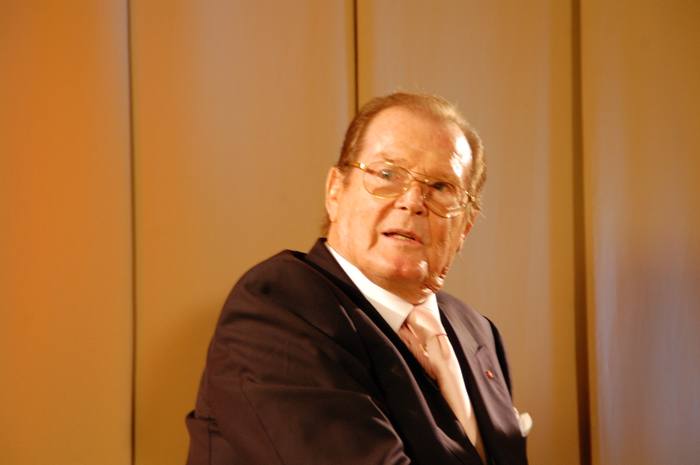 The big guns brought in to add oomph to the night include Joanna Lumley, who makes an enjoyably hammy meal of "Dilys the Dachsund" (who becomes a ballet dancer), Dragons’ Den’s Duncan Bannatyne good-naturedly attacking the tale of a Scottish warrior’s ghost who cannot retrieve his evasive amputated leg, Vanessa Redgrave dryly decrying "Norman the Zebra" (who gets mistaken for a zebra crossing), and Downton Abbey’s Hugh Bonneville tackling both "Wilfred the Weasel" and "My Best Friend", the latter a sucrose ode to Lloyd’s dog. Undoubtedly the night’s biggest name is Roger Moore (pictured above right) who introduces the UNICEF aspect and gamely performs various numbers, including one with his daughter Deborah where his suit trousers are ripped away to reveal green leggings, the better that he might play the part of one of the “Lady Grasshoppers”.
The Royal Albert Hall’s sound is notoriously fickle and some songs suffered but most were clear enough. The best of the night, musically visiting Dixieland, Parisian café and music hall, included the jaunty “Jock the Scottish Circus Flea” (squashed by the ace of spades) sung by Andrew Playfoot, a preposterous, almost incomprehensibly Franglais Ricardo Alfonso as “Jacques, a Penniless French Mouse” and, especially, the lovely “Daddy Long Legs” about the insect of the title briefly dancing with Fred Astaire in a cinema projector’s beam before being mortally swatted. The night ends with a haphazardly delivered and saccharine song called “There’s a Light That Shines” which we could have done without, but when I turned to my daughters and wondered what they made of it all, they were both thrilled with this panoply of very old-fashioned English light entertainment, gentle chuckles and animals with attitude. While Nicky Forbes had his point, I could only conclude that there's a place for such uncomplicated, innocent family entertainment, most especially at this time of year.
Listen to "Daddy Long Legs"