"Genius" is a word to be used sparingly, but Django Bates surely is one. “A musical polymath and prodigiously gifted composer” went the citation for his Ivor Award a few weeks ago. “Joyful, insouciant and insanely clever,” wrote Evan Parker in a sleeve-note describing his re-workings of Charlie Parker in Confirmation (2011), the second album with his Belovèd Trio.
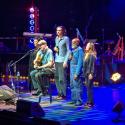
Last night Django Bates with the regular members of that trio, bassist Petter Eldh and drummer Peter Bruun presented a concert billed as “A double celebration: Evan Parker’s 75th birthday and a look ahead to next year’s 100th anniversary of Charlie Parker’s birth.” It consisted of re-worked tunes either written by or associated with Charlie Parker with the hugely admired and influential saxophonist Evan Parker as guest. This was either a premiere or a one-off; only time will tell.
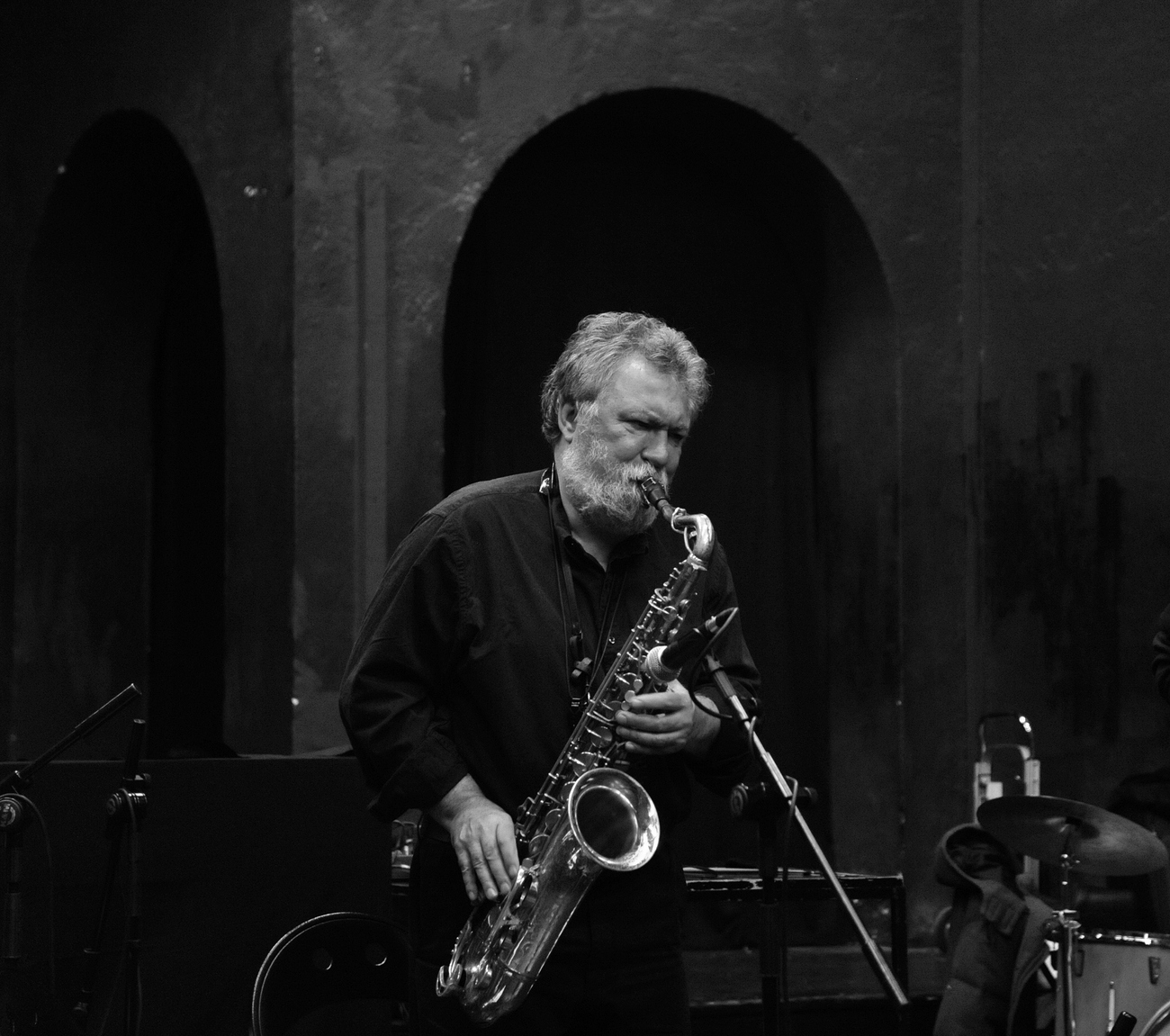
In the programme note which accompanied the concert, Evan Parker (pictured below by Caroline Forbes) describes the scale of Charlie Parker’s towering presence in jazz history. He is “our Leonardo, Einstein and Wittgenstein all in one.” But then comes the question of whether musicians elect to admire Charlie Parker from a distance or from close-up. Evan Parker goes on in the note to describe the efforts which people in jazz have gone to – and the Lennie Tristano/Lee Konitz school in particular – to escape the all-pervasive influence of Charlie Parker. Evan Parker describes himself (along with them) as someone who has “tried to find an individual way to play.” For Django Bates, on the other hand, the identification and involvement are undoubtedly far closer and more personal. In a recent interview, he has said “Charlie Parker will always be with me, entwined in the melodic sense of what’s logical and beautiful. Like a lot of beautiful things that you hear and absorb and rework along the way.”
 The Belovèd Trio has now been in existence for over a decade. It started when Django Bates was teaching at the Rhythmic Music Conservatory in Copenhagen. For the first year, the three met regularly there, and just played completely freely. Then came the invitation to participate in a Charlie Parker celebration, which sowed the seed for the explorations of Parker that the trio proceeded to do in its first two albums, and which now constitute a significant element in its core repertory. Through over 10 years of playing, Belovèd has become a unit which is self-contained and complete. The rhythmic shifts and switchbacks that have been applied to the Parker tunes, the sudden stretchings-out and compressions are all thoroughly worked. There is a ferocious busy-ness about it all, an utterly engaging sense of forward momentum and excitement about what all three do. So in numbers for just trio – "Scrapple from the Apple", "Confirmation", "Passport" – all of us, Evan Parker included, could sit back and admire the energy, the accomplishment, the unfettered derring-do, the camaraderie and humour of this unique group.
The question for this concert was always going to be what inventive musical ways Django Bates would find to involve Evan Parker in this very particular sound-world. We had to wait until relatively late in the sequence for to find really convincing results: perhaps it was just as well – to employ a metaphor Django Bates used on this day of wall-to-wall sport – that this match was allowed to go to five sets. But sure enough, when they eventually came, there were – here comes that word again – touches of genius. In "Ah Leu Cha", the trio let Evan Parker dictate the rhythmic terms; it was a moment of absolute magic. Another master-stroke was in "Donna Lee", where he was free to push against the trio’s asymmetric accompaniment. And a third was when Evan Parker took the six-note opening motif of "Now’s the Time" and (more sporting metaphors) spun it in his own inimitable way.
From where I sat, Evan Parker was disadvantaged by the sound mix, but I did find myself wishing that there had been more occasions when the saxophonist could have been left free to set the agenda. If this project and this collaboration have further outings, that will probably happen of its own accord, but Django Bates will inevitably have found yet more inventive ways to make it happen.