The Eighties revival in dance music started in earnest with the Electroclash subculture, the first records emerging around 1996. That is to say, the Eighties revival has now lasted twice as long as the actual Eighties itself. And if you think that the heyday of electropop – which is what we generally mean by Eighties sounds – really lasted from about 1978 to 1984, we're talking about a very long revival for a very short “decade”.
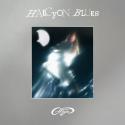
The thing about dance music, though, is that its riffs and schticks seem particularly durable. Because they were aimed at a relatively unchanging physical environment – the strobe-lit, late-night dancefloor inhabited, ideally, by a range of unorthodox human beings – they tend to have a certain base functionality that operates more directly than any sense of nostalgia or referentiality. And it's this that the new album by Christopher Shively, the Chicago producer formerly known as Chrissy Murderbot, and his singer-songwriter friend Hawley Shoffner, tap into most successfully on this album.
On first glance, there could be a flicker of suspicion that pastiche is the name of the game: there are, after all, covers of Sparks and Seventies Dutch Europop band Earth & Fire, and on the first track, “A Life to Lead", Shoffner's phrasing and melodies in the bridges edge close to Alison Moyet's in Yazoo's “Don't Go”. But that song, and the album, veer quickly into their own lane, and the crispness and vivacity of Shively's bleeps, bangs and chords make it far more than the sum of his influences. As the album goes on, his understanding of the generations of electronic music which electropop influenced – most notably his hometown's early house music – is woven expertly into the sounds, giving all the songs real soundsystem oomph and psychedelic complexity, even as Shoffner's writing remains utterly direct and heartfelt. Revivalist it might unashamedly be, but this album is both a beautiful pop document and a kick-arse dancefloor dynamo.