

The three-toed sloth moves at a maximum – that’s maximum – of 10 feet per minute. It’s thought to be the slowest animal in the world. While on a train hugging the north Kent coast however, I reckon I could give it a, figurative, run for its money. I’m on my way to a tiny venue in Ramsgate to see understated US rock band Sebadoh, whose album count is in double figures, on a tour that will see them joining Lemonheads in London for a high-profile gig. Well, at least that’s the plan.
new music reviews
Guy Oddy

“It’s good to be back in fucking Birmingham, but come a bit closer and let’s pretend it’s a rock ‘n’ roll gig,” called frontman Jim Jones from the stage of the Rainbow, before bursting into the swampy blues of “Aldecide”. The audience needed no other invitations and pushed towards the stage to drink up the Righteous Mind’s primal groove.
Guy Oddy

Considering that they have never been known for their sartorial elegance, Squeeze are looking pretty smart and stylish these days. Band leaders Chris Difford and Glenn Tilbrook took to the stage in Birmingham looking especially dapper, with Tilbrook looking like he’d just walked off the set of Miami Vice in his pink suit. This was matched by a slick set with a video screen that showed what were more like short films for each song than the usual concert projections, making it clear that while they might be veterans, Squeeze were still going to put on a show.

 The City: Now That Everything’s Been Said
Guy Oddy

It has been three years since The Lemonheads, Evan Dando’s slacker kings, last toured the UK and six years since they released Varshons, a covers album. So it was a pleasant surprise when they recently announced a return to these shores to play some shows with no particular product to push, especially given that anyone might imagine that they had since long disappeared.
Kieron Tyler

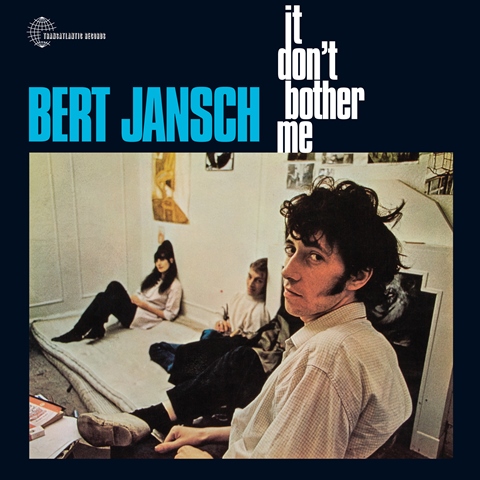 Bert Jansch: It Don't Bother Me, Jack Orion / Bert Jansch & John Renbourn: Bert and John
Thomas Rees

Loose Tubes go hand in hand with Ronnie Scott’s. This was the setting for their fabled residencies back in the Eighties, the scene of their farewell gig in 1990 and of their comeback last year (both of which feature on new live album Arriving). The venue’s location gets a name check on 2010 release Dancing on Frith Street (featuring more live material from that 1990 gig) and it got another mention on Thursday night, with Tubes trombonist and irreverent MC Ashley Slater declaring it the band’s "spiritual home".
Matthew Wright

Stylistically, they’re a psychedelic kaleidoscope of a band, but that didn’t stop Unknown Mortal Orchestra getting the O2 Shepherd’s Bush swaying hypnotically last night. Their jagged, breaking grooves, burnished analogue synth and drone-like choruses take in everything from Stevie Wonder to Captain Beefheart, via a slew of indie, garage and psychedelia, but the effect is unique and compelling.
Jasper Rees

There’s a new book out called Red: A Natural History of the Redhead, which gets to the heart of what it is to have the ginger gene, be it Boudicca or Jessica Rabbit. It says coppertops are more prone to bee stings, and perfume gives off a different odour on their skin. And then there are the more hackneyed ascriptions: flaming hair implies fieriness, wildness, total and utter otherness etc. This is not to solicit a visit from the ginger police, but can anyone picture Florence Welch with a short sensible peroxide crop?

 Faces: You Can Make Me Dance, Sing or Anything… 1970–1975