Eugene Jarecki’s forensic investigation concludes that Julian Assange’s character flaws are dwarfed by the high crimes he exposed, and can’t justify the cruel and unusual punishment of his cramped Ecuadorian Embassy sanctuary. This reverses what he sees as self-interested manipulation of the official narrative, which stoked personal condemnation as a smokescreen for state slaughter and surveillance.
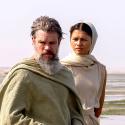
Character has dominated Assange’s evolving cinema persona, which began with fellow Australian Robert Connolly’s admiring Underground (2012), an account of young Julian the teen hacker in the barely digital ‘80s, on the lam from his dad’s cult as a child, then a loner abandoning his wife and child to commune with his computer, and jailed aged 20 for revealing Gulf War secrets. The filmography flourished as Assange languished in the Embassy. Laura Poitras’ documentary Risk (2017) intended to valorise its subject, but couldn’t avoid her cameras’ evidence of arrogance and borderline misogyny, also a key factor in Alex Gibney’s We Steal Secrets: The Story of WikiLeaks (2013), which presents a brave man blinded by his mission, holding everyone to account but himself. Benedict Cumberbatch’s manipulative and slippery Julian is ultimately the villain of The Fifth Estate (2013), confirming a darkening tone.
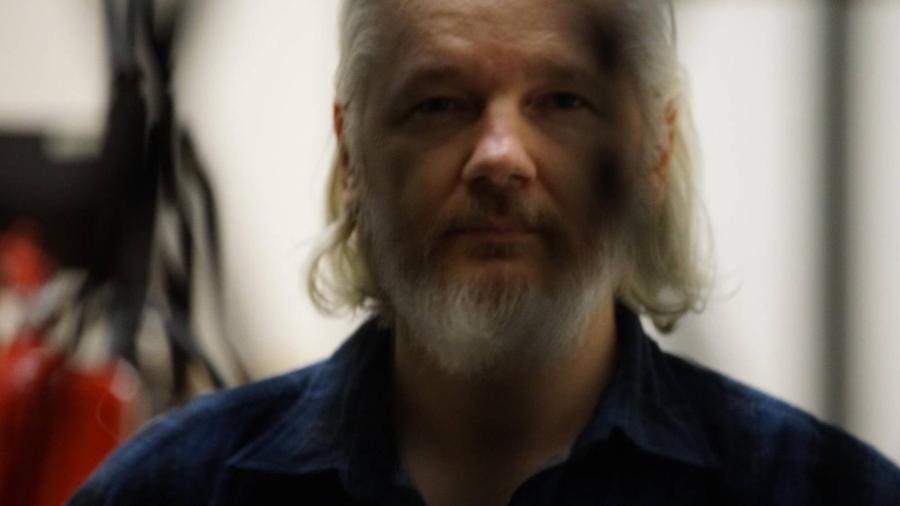
Though less prolific, Jarecki is master documentarist Gibney’s equal, as previously shown in his soberly angry expose of America’s racist war on drugs, The House I Live In (2012). He is similarly painstaking in assembling this film’s unsettling emotional payload. His prime text is drawn from Bradley Manning’s 2010 Iraq and Afghan War leaks, which WikiLeaks co-published at its peak: the infamous footage of US helicopter gunship crews’ eager killing of two journalists and other civilians casually deemed insurgents, bullets kicking up ground around defenceless bodies. Symptomatic of secret US mayhem in Iraq, it led to its military withdrawal. Jarecki believes the focus on punishing Assange rather than confronting murderous state conduct is the story.
Jarecki’s account of the 2010 Swedish criminal case which made Assange a wanted man perhaps downplays his condom-rejecting abusiveness in bed with two separate women, though his haughty refusal to take the Aids test one requested indirectly began his own nightmare, and a concocted “international manhunt” which trapped him in the UK. Jarecki interviews Siggi Thordarson, the Icelandic FBI informant and sex criminal who betrayed Assange and became the US Government’s star, dodgy witness. The unredacted mass dumping of WikiLeaks’ US military files is traced to John Young’s website Cryptome, employing a password stupidly revealed in a chapter title of David Leigh’s co-written book WikiLeaks: Inside Julian Assange’s War on Secrecy (The Fifth Estate’s basis too). WikiLeaks was blamed for this gross irresponsibility, another main plank in its leader’s public fall from grace.
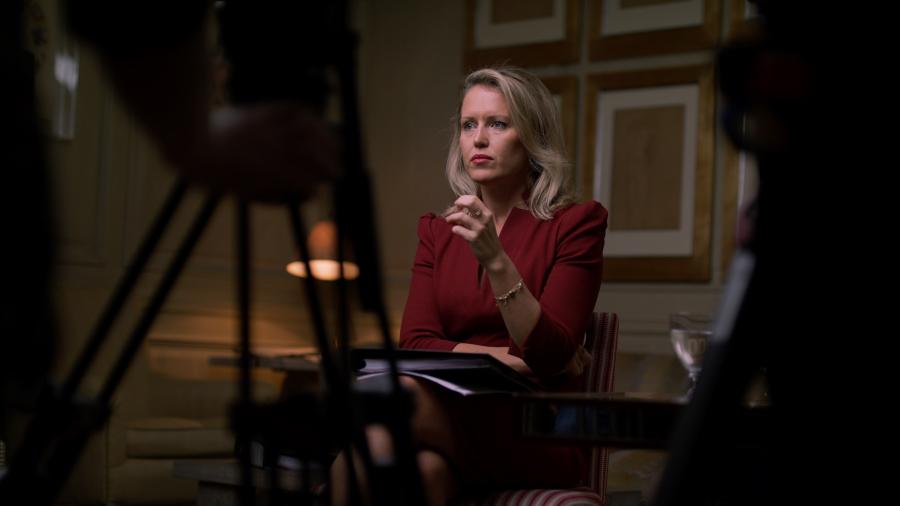
Jarecki combines conspiracy and empathy as Assange declines in the claustrophobic, surveilled embassy. “I’m guarding the equipment from the spies,” he mutters inside a sleeping bag, sent half-mad by genuine enemies. A change in Ecuador’s government and refusal to reveal his source for Hillary Clinton-damaging leaks in return for a Trump pardon deal sharply ratchets up persecution which UN rapporteur Nils Melzer deems torture, before eviction to Belmarsh, where he has a stroke (WikiLeaks' lawyer Jennifer Robinson is pictured above, courtesy of Charlotte Street Films).
The 2024 plea deal which returns Assange to Australia a free man is Jarecki’s sole misstep, as soaring music and Jeremy Corbyn’s sanctified presence briefly turn partisan. This is an otherwise sober story of state crime upon crime, leaving Assange just another pawn in their game.