LFF 2014: Winter Sleep

Nuri Bilge Ceylan's monumental, Palme d'Or-winning study of self-deception

share this article

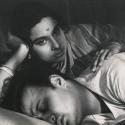
Lives in a landscape: Nihal (Melisa Sozen) and Aydin (Haluk Bilginer) go to war

Nuri Bilge Ceylan’s Cannes Palme d’Or winner is an epic chamber piece by a contemporary great. From the moment a stone suddenly smashes the car window of landlord Aydin (Haluk Bilginer), physical threat darkens the corners of the remote Anatolian hotel-home he shares with his bitter, bored sister Necla (Demet Akbao) and young, emotionally dying wife Nihal (Melisa Sozen). But unlike Ceylan’s previous sagas, Once Upon a Time in Anatolia and Three Monkeys, the violence remains verbal.

Aydin, an ex-actor who never quite made it, leads a comfortable, unchallenged life in a home that’s likened to a cave, carved into the bleached-bone rock of Anatolia, Ceylan’s cinematic kingdom in a Turkey far from Istanbul. Typing columns for the local newspaper at his laptop in the quiet night, chatting with the hotel’s cosmopolitan young guests, debating philosophy with his female family, Aydin maintains a middle-class artist’s life.

The bleak poverty in the village properties he prefers to keep at a remove, from where the stone is launched, is part of his smug but not wholly unsympathetic self-deception. The women suffocating in his shadow, though, draw out all the poison in his nature in increasingly lacerating, lengthy exchanges. Over 3 ¼ hours – longer even than Once Upon a Time in Anatolia’s lugubrious meditation on a murder’s ripples – conversations in rooms, drunk and sober, threatening and desperate, run their course. Chekov, a key Ceylan influence, is name-checked in the credits, and the cream of Turkish acting give Russian weight to every word. Static scenes breathe with silent detail, and the sense of a society outside the room. The rawness of the terrain, and Aydin’s tenants’ lives, are needed counterweights to what could otherwise seem Parisian, indulgent angst. Anatolia is in these bleeding hearts.

Add comment

The content of this field is kept private and will not be shown publicly.
Name that you would like to appear as the author of the comment
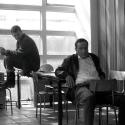
Static scenes breathe with silent detail, and the sense of a society outside the room

rating

4

share this article

the future of arts journalism

You can stop theartsdesk.com closing! 

We urgently need financing to survive. Our fundraising drive has thus far raised £33,000 but we need to reach £100,000 or we will be forced to close. Please contribute here: https://gofund.me/c3f6033d

And if you can forward this information to anyone who might assist, we’d be grateful.

Subscribe to theartsdesk.com

Thank you for continuing to read our work on theartsdesk.com. For unlimited access to every article in its entirety, including our archive of more than 15,000 pieces, we're asking for £5 per month or £40 per year. We feel it's a very good deal, and hope you do too.

To take a subscription now simply click here.

And if you're looking for that extra gift for a friend or family member, why not treat them to a theartsdesk.com gift subscription?

more film

The evergreen animation franchise in a below-par new romp
Revived for Monroe's centenary, Billy Wilder's classic reminds us how great film can be
A visually pleasing film with a somewhat patchy plot
Tragedy and joy in Chloé Zhao's speculative Shakespeare drama
Emily Blunt helps a peculiar alien encounter eventually touch profundity
The Brat star convinces in a freewheeling, nouvelle vague-ish Polish excursion
Fictionalised account of Keith Jarrett’s iconic concert feels as improvised as its subject
Life-enhancing vintage entertainment, for children of all ages
When Lucian Freud and Kate Moss brushed up against each other
Influential and colourful Italian comic book adaptation returns in a gleaming new print
Steven Soderbergh directs Ian McKellan and Michaela Coel in virtuoso performances
An immersive tale of tangled paternity in a battered Budapest