Given the horrors lurking in the composer’s more familiar operas, the warning that Maria de Rudenz is “perhaps the darkest of Donizetti’s tragedies” carries no little weight. A Gothic spectacular with echoes of The Castle of Otranto and Matthew Lewis’s The Monk, Maria’s dramatic excess is tempered by a fine score, full of atmospheric chorus writing and some particularly lovely arias for baritone. Staged by the same team that delivered the ghostly fantasy of a Guglielmo Ratcliff at last year’s festival, the opera is a stylish Halloween hit, welcome as trick or treat candy, but dissolving just as swiftly in the mouth.
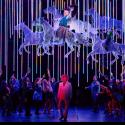
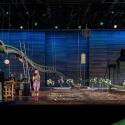
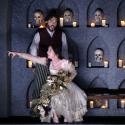
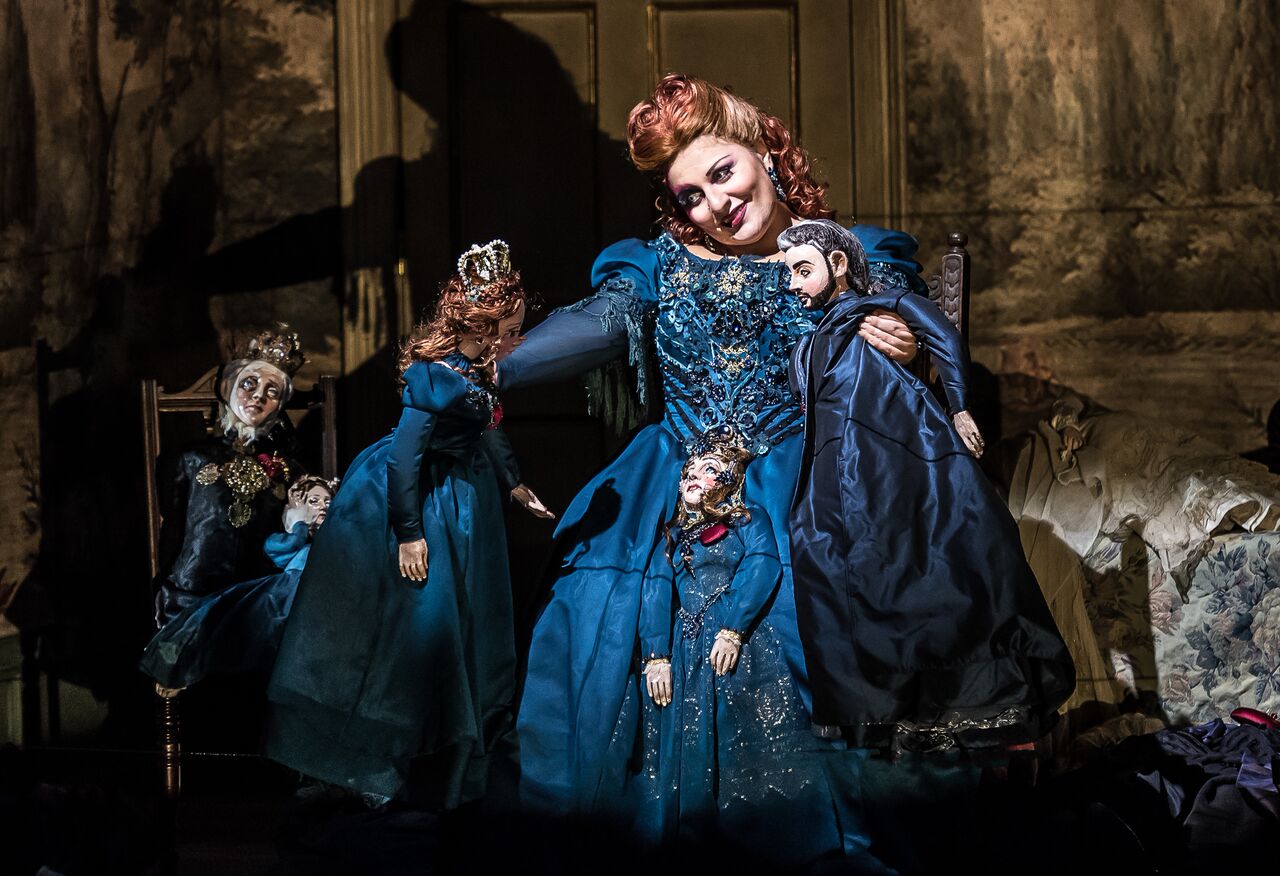
Fabio Ceresa’s gorgeous wreck of a set places Maria, her lover Corrado and cousin Matilde in a crumbling 19th-century dolls’ house – playthings, one assumes, for a particularly malign and vindictive fate, who twists and turns the interiors like a living Escher landcape. All the Gothic tricks and tropes are here – flickering candles, mysterious doppelgangers, ghostly apparitions and scheming relatives – presented with a mock-serious relish that sits somewhere between Tim Burton and Buffy the Vampire Slayer. It’s nicely judged, just wry enough to puncture the plot’s essential foolishness without completely blunting the emotional conviction of the warped love that drives this dark take.
Having run away from her disapproving father with her lover Corrado, Maria finds herself abandoned to die in the Venetian catacombs when Corrado suspects her of infidelity. Believing her dead, he returns to Rudenz castle to marry her cousin Matilde, keen to be spared the life of the convent, only to find himself confronted by the very much alive (if lightly maimed) Maria.
 It’s not a vintage plot, but it does the job, providing a dramatic scaffolding just strong enough to support some glorious music. It helps that Wexford has assembled a superb cast, led by Korean Joo Won Kang’s radiant Corrado. How rare to have a Donizetti baritone role of such meatiness, and how wonderful to have a singer to take full advantage of that – even from top to bottom, and with a lovely sense of line through even the fussiest of passages. His opening “Eglia, ancora non giunge” was a stand-out.
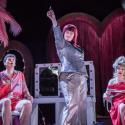
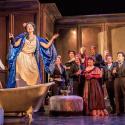
The doll-like stiffness of Gilda Fiume’s Maria (pictured above) here generates a curious friction with Donizetti’s dynamic vocal writing. Her agile voice roams widely, exploring all possible outlying emotions, while she herself remains physically confined. Trapped in this domestic prison, she projects her emotional adulthood, the maturity the separates her from the uncanny dolls all around, by sheer vocal force. Sophie Gordeladze’s Matilde is a more brittle affair, girlish and supple at the top of her range, a lovely vocal foil for Jesus Garcia’s lovelorn Enrico, smoothly sung throughout.
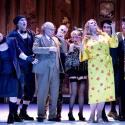
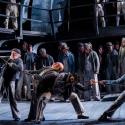
The Wexford Chorus provide the castle’s many disturbing attendants, singing strongly (often in separate male and female choruses) under conductor Andrew Greenwood, while the highlight from the pit is the glorious bass clarinet solo that opens Act Two. Nicely paced and judiciously trimmed, Donizetti’s gothic horror here sets ears tingling and skin crawling, just as it should.
- Maria de Rudenz is at the Wexford Festival until 6 November
- Read more opera reviews on theartsdesk