

“The reason we’ve been away so long,” explained Fran Healy halfway through last night’s gig, “is we wanted to take time off to enjoy our kids.” Such non-rock’n’roll sentiments are, of course, the sort of thing you might expect from a band once dubbed the “nicest in the world”. What I hadn’t anticipated, however, was the amount of fire and passion that would surface during the night. Really.
new music reviews
Tim Cumming

This is the third Songlines Encounters festival at Kings Place. Wednesday’s programme featured Balkans, Polish and Georgian music, Thursday had Egyptian Baladi Blues and Louisiana’s Sarah Savoy, and Friday featured West Africa, Spain and Palestine.
Kieron Tyler

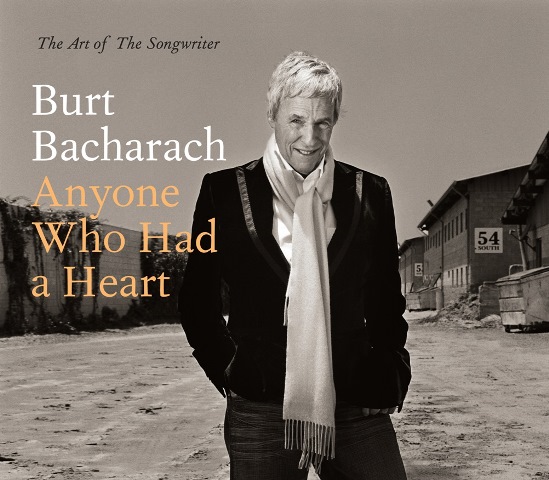 Burt Bacharach: The Art of the Songwriter - Anyone Who Had a Heart
Tom Birchenough

The last two years have seen the Tiger Lillies hit a prolific peak of activity, to be found as often on the theatrical as the concert stage, drawing on plenty of influences from outside the UK to boot.
bruce.dessau

When the Stone Roses first made a splash with their eponymous debut album in 1989 they were almost perfect. The only mistake was a brief flirtation with flared trousers. Nearly a quarter of a century on in north London the strides were strictly straight-legged. The only flares were the red ones some clot in the audience kept lighting. I don't envy his prospects if health and safety ever get hold of him.
Kimon Daltas

Comebacks may be all the rage but Elvis Costello just keeps on going. It's the third year running that he has taken his band The Imposters on the Revolver Tour, featuring The Spectacular Spinning Songbook: a giant carnival wheel of songs which audience members are brought on stage to spin and dictate the set list.
Peter Culshaw

For certain types (yes, I was that serious-minded teenager) in the late Seventies Rod Stewart made a convenient hate figure – a coke-snorting dinosaur with interchangeable blondes on his arm who, having made some decent records, was now making banal ones like “Do Ya Think I’m Sexy” (and that was one of the better ones). Last night, the only moment Rod looked slightly embarrassed was singing that travesty of Disco, at 68. Even Rod now admits discs like 1980’s Foolish Behaviour were “a pile of shit”.
Kieron Tyler

Titling their long-delayed second album The Second Coming meant The Stone Roses had run out of religious metaphors for their 2012 reunion. They already had a song called “I Am the Resurrection”. Still, with super-fan director Shane Meadows on hand to capture their return, actions spoke louder than words. At their homecoming concert in Manchester’s Heaton Park, he caught their singer Ian Brown touching the outstretched hands of the faithful, anointing them with his mystic power.
David Benedict

It opened with a standing ovation. And in a place the size of the 02 – the venue put on this earth to make Luton airport feel better – that’s impressive. It was that kind of evening: not so much Streisand in concert as an opportunity for worshippers at Barbra’s shrine to do a whole lot of basking in her genuinely unparalleled glory. Fifty years at the pinnacle of popular music is not to be sneezed at. That she can sing with a 60-piece orchestra and still deliver shiver-inducing money notes at the age of 71 is truly something. It is not, however, everything.
Kieron Tyler

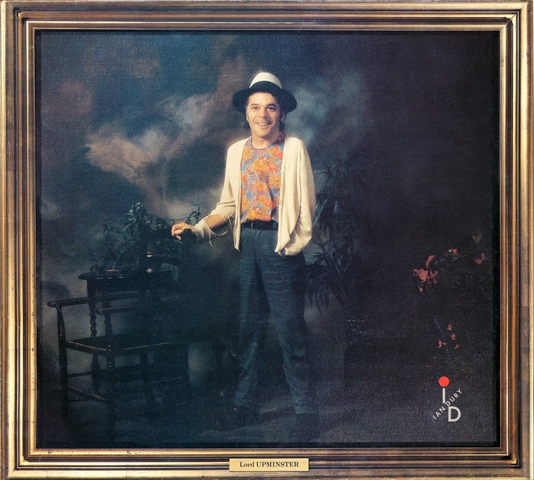 Ian Dury: Lord Upminster / Ian Dury & the Music Students: 4,000 Weeks Holiday