
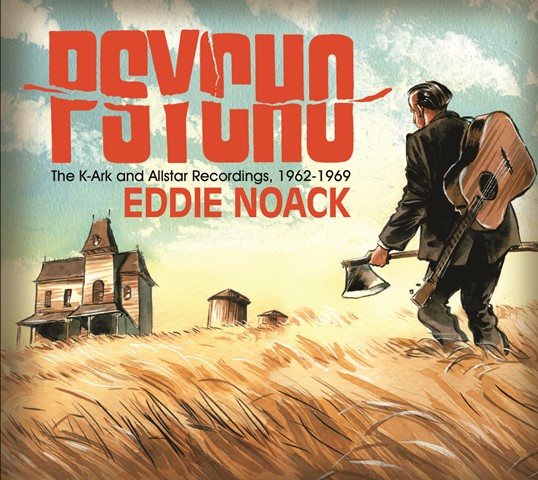
 Eddie Noack: Psycho – The K-Ark and Allstar Recordings 1962–69
new music reviews
Kieron Tyler

Thomas H. Green

Camp Bestival is overrun with children, even the night is alive with them. Where WOMAD is full of old hippies, Camp Bestival is full of raver-parents who refuse to stop shaking a party limb, even if they must haul little Finlay around on an exotic, duvet-filled gurney to do so. It creates a unique atmosphere, a bit bourgeois but just the right amount of wild, inner children meeting actual children to wobble about to Benga basslines.
peter.quinn

Think of the ingredients you look for in a great jazz record – inspired, exploratory improv, the complete reinvention of standards, ear-catching arrangements, sonorities you've never heard before – and this new big band recording from Mike Gibbs delivers them all. By the bucketload.

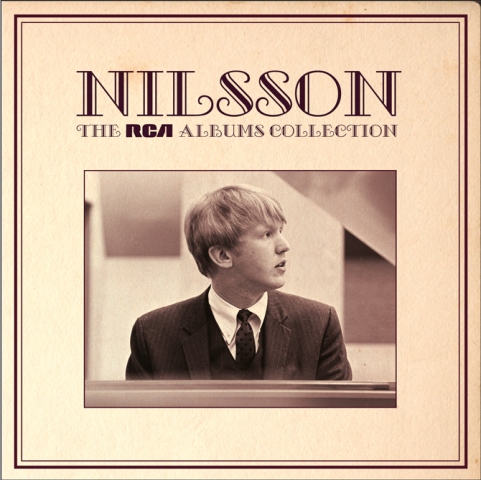 Nilsson: The RCA Albums Collection
Kieron Tyler

Characterising a country’s music by its most successful exports or what seem to be typical local styles is inevitable. With Iceland, the home of Björk and Sigur Rós, it’s easy to assume that ethereality, otherworldliness and plain oddness rule the roost. Of course, that’s not the case. The artists awarded the Kraumur prize for the best albums released in 2012 testify to Iceland’s broad musical palette. On the next page, our look at the Kraumur winners ranges from the hotly-tipped Ásgeir Trausti to, among other surprises, home-grown reggae.
sue.steward

The rain had vanished and there were whispers that the Afro-Brazilian gods were keeping it at bay as time got closer to the appearance of the headliner. The international superstar, singer, songwriter, environmentalist and former Minister of Culture ambled on stage like a cat, in a loping, slo-mo dance move, carrying his red electric guitar over his shoulder. Gil came dressed for a festival – no gorgeous silk suits but loose, pale t-shirts over beige tapered trousers.
Kimon Daltas

This one-off appearance in a dingy, basement venue seems to be the entirety of Luke Haines’s promotional effort for his new album, Rock and Roll Animals. A few years have passed since he approached mainstream success as front man of The Auteurs and later as part of Black Box Recorder. In the intervening years he has taken the healthy notion that quality does not equal popularity to a possibly illogical conclusion that popularity had better be avoided entirely, just in case.
Peter Culshaw

Arriving early on Saturday, the first music I was exposed to in the tranquil arboretum area of the Radio 3 Stage was the mesmeric and gorgeous sounds of Leicester sitarist Roopa Panesar floating from the stage, with dreamy oboe-like shenhai adding to the musical mix.
Kieron Tyler

 Various Artists: Saint Etienne Present Songs for a Central Park Picnic
caspar.gomez

If there’s a patron saint of WOMAD it must be Bob Marley. His visage, serious but gentle, peers out from more T-shirts than I care to count. And all the festival-goers who don’t have WOMAD-standard long, white, straggly hair sport dreadlocks. The silliest haircut goes to a fellow in (again) WOMAD-standard travellers’ pantaloons who sports small knots of hair, each tied with a different coloured elastic band.