
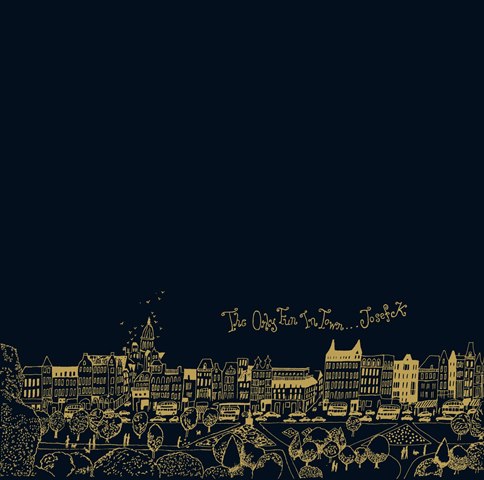
 Josef K: The Only Fun in Town


Before Janelle Monáe even materialises at Brixton’s O2 Academy, her presence is already felt in the stagecraft. Lab-coated, bow-tied techies unsheath the instruments from their black covers, revealing a glimmering monochrome set-up in the centre of a giant white cube reminiscent of the "Q.U.E.E.N." video. Three - count ‘em, three - men see to the polishing of Monáe’s microphone. The build-up is every bit as meticulous as the stunning 90 minute set that’s to follow.

Tonight Birmingham was treated to a guitar fest of epic proportions, as the Japanese, Hawkwind-esque experience that is Bo Ningen hit town. Prior to the main event, we were treated to the boisterous thrash of The Scenes, who finished their set with the flippant yet amusingly named “Anorexia Is Boring”, and the Teenage Fanclub-esque 12-strings of Younghusband. Neither, however, quite prepared the crowd for the ear-lacerating noise and mesmerising groove of the headliners.

A mournful voice sings “even though it hurts, even though it scars, love me when it storms, love me when I fall” over a strummed acoustic guitar which shares the lyrics dolefulness. As the centrepiece of her set last night, Lykke Li’s delivery of her new album I Never Learn’s “Love Me Like I'm Not Made of Stone” asked a lot from the audience at her first London show for three years. With the familiar came the new. With the upbeat came the sorrowful. And lots of it.

Sliding onto the stage of the O2 Arena in a leotard emblazoned with her own mouth and tongue, Miley Cyrus immediately starts bouncing around screaming, “I’m not going down without a fucking fight!”

Robert Cray’s veteran blues band made a compelling case for their unique blend of soul and blues at the Barbican last night. Despite the five Grammys, record sales well into seven figures, and investiture in the Blues Hall of Fame in 2011 at the precocious age of 57, he’s sometimes suspected of watering down the blues tradition. What he’s actually done is preserve the most of the attitudes and atmosphere of traditional blues, while modernising some of the instrumentation and phrasing.

Crazed magnificence, off the cuff improv, pinpoint timing. And that was just MC and trombonist Ashley Slater's on-stage banter. In one of the most hotly anticipated jazz gigs of 2014, the return to the Ronnie Scott's stage for the seminal and utterly singular big band Loose Tubes – almost a quarter of a century after their valedictory residency in September 1990 – surpassed all expectations.

The Library in Birmingham is a venue that is almost the dictionary definition of shabby chic, with its neo-classical plaster mouldings hanging onto the walls in a room that has definitely seen better days. Unfortunately, the sound quality for last night’s show by Clean Bandit, the bright young things from Cambridge University who have caused quite a stir by mixing classical chamber music with garage pop, was similarly grubby.

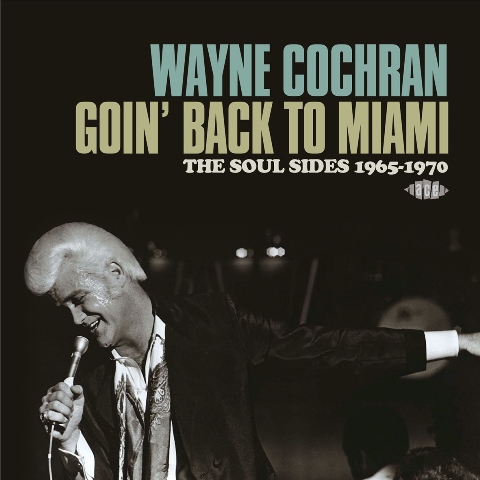 Wayne Cochran: Goin’ Back to Miami – The Soul Sides 1965-1970

Who knew the human spirit needed such bureaucratic care? The celebration of International Jazz Day, founded by UNESCO in 2011, at King’s Place last night was nothing if not well cared-for. Sponsored SGI-UK, an arm of the global Buddhist movement, who were raising funds for UNICEF, proceedings are guided globally by legendary pianist Herbie Hancock, a UNESCO Ambassador for Intercultural Dialogue and Chairman of the Thelonious Monk Institute of Jazz.