The independent filmmaker Alexandre Rockwell has flown under the radar since he made his name with the Cassavetes-vibed 1992 New York comedy In the Soup. He recently explained that his career was sabotaged by Harvey Weinstein, who was jealous, Rockwell suspects, of his close friendship with Quentin Tarantino. The intervening years haven’t been fallow, but Rockwell’s 10th feature, the lyrical childhood mini-odyssey Sweet Thing (2020), represents a major comeback.
Rockwell's revival began with 2013’s hour-long Little Feet, made for $11,000 and starring his kids Lana (b. 2003) and Nico (b. 2007) as poor Los Angeles siblings seeking a body of water wherein to find a new mate for their recently widowed goldfish; Rockwell played their father, a sadly sozzled advertising mascot.
Sweet Thing uses the same formula and appealing young leads, joined this time by their mom, Rockwell’s actress-author wife Karyn Parsons; the modest crew included members of the director’s New York University film class. Shooting mostly on 16mm monochrome stock, cinematographer Lasse Tolbøll imbued the movie with a luminous fairytale quality; The Night of the Hunter (1955) was an obvious reference while Stand by Me (1986) and Beasts of the Southern Wild (2012) are also in Sweet Thing’s DNA.
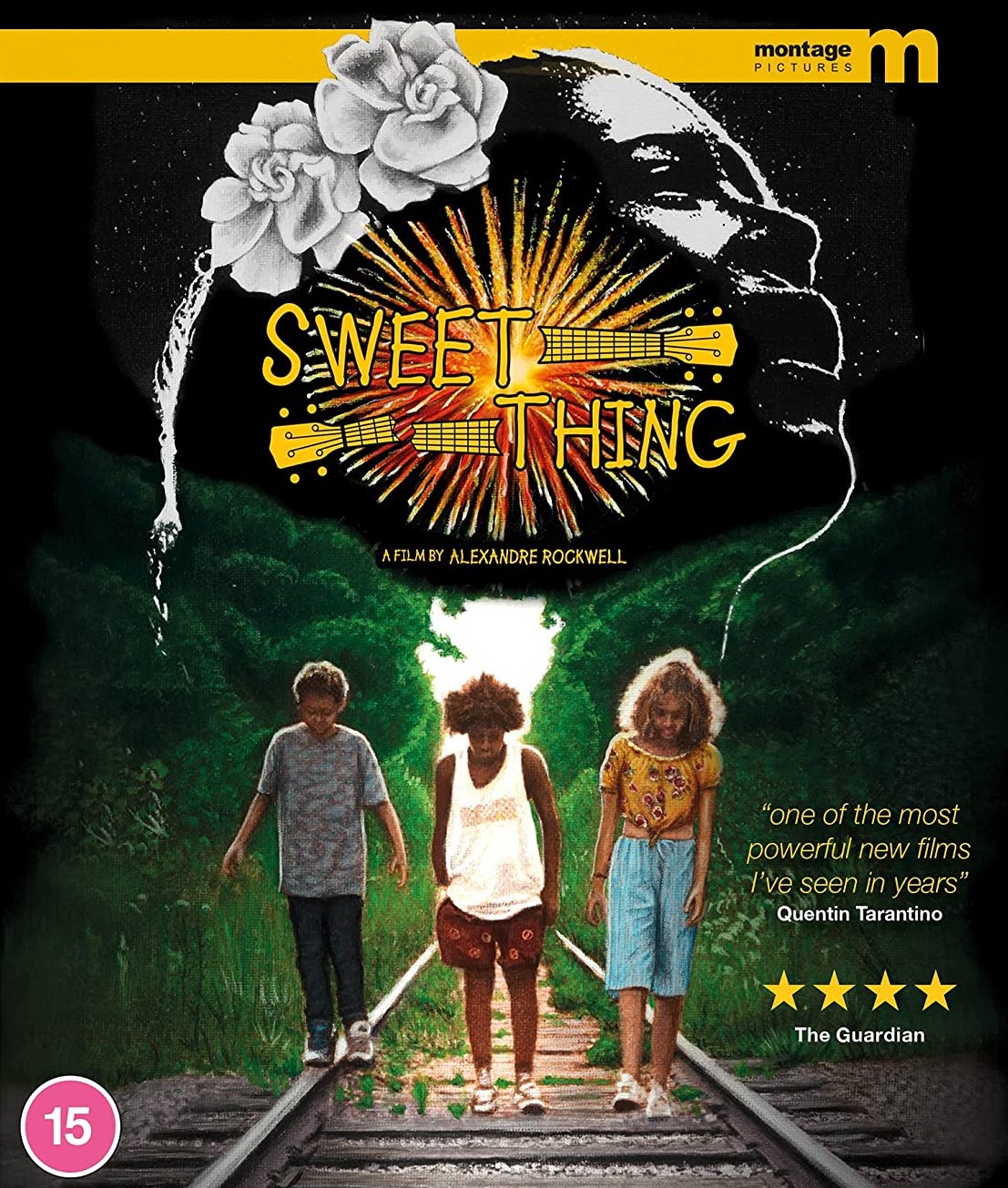 The film cost about $150,000, the $90,000 Rockwell put in topped up by Kickstarter funds that enabled the clearing of rights for 27 musical cues at $2000 each. No price can be put on Rockwell's harnessing of Van Morrison's title number, hauntingly sung as a lullaby by Lana (aged 15 when the film was made), whose character Billie's coming of age requires her to step into a maternal role.
In the bittersweet first act, Billie and her 11-year-old brother Nico (Nico) struggle through a penurious Christmas in a rundown part of the Massachusetts seaport New Bedford with their white alcoholic father Adam (a touching Will Patton), another advertising mascot, whose black wife Eve (Parsons), a strip-club bartender affecting whiteness, has shacked up with her boss Beaux (ML Josepher).
It’s unclear if Eve left Adam because he drinks, or if he drinks because she left him, but even in his drunken haze he’s the more loving and attentive parent. When he’s placed in rehab, Billie and Nico are forced to spend the summer with their mom at Beaux’s nearby beach house.
Billie was named for Billie Holiday, who appears as her guardian angel in her consoling colour daydreams. Colour is used inconsistently, however – one sequence shows Billie and Nico frantically serving cocktails to the gluttonous, bibulous Beaux and Eve. After Beaux, an especially crude slob, sexually molests the children in separate incidents, the kids flee – Billie’s new friend Malik (Jabari Watkins) accompanying them having helped to fell the ogre. (Pictured below, Will Patton's Adam in Santa Claus costume)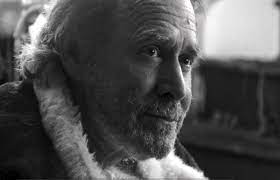
Malik, who also comes from a broken home and has suffered parental abuse, recommends they head to Florida – he’s adept at stealing and hotwiring cars – where his dad has been in prison.
How far these self-styled "outlaws and renegades" travel is unclear. In a key set piece, they break into a McMansion and scoff themselves, parodying Beaux and Eve's gross table manners, dress-up in gaudy female finery (the boys as uninhibitedly as Billie), and play hide and seek amid the house’s life-size effigies of blacks that troublingly serve as art pieces – slavery aestheticised. Their energy spent, the three compare their scars, symbolic and actual marks of parental abuse and the institutionalised racism they face as non-white kids.
Visually a throwback to indie cinema’s 1990s heyday, Sweet Thing transcends nostalgia by enfolding an all too familiar tragedy that makes it as urgent as any American film released in the last few years. Armed as the kids are with the kind of love, loyalty and innocence that seldom survives the transition to adulthood, they turn their “scars into stars” – not that they’re little saints or that this tender drama is ever preachy.
A booklet is the only extra included with the first-edition Blu-ray, released by Eureka! under the Montage Pictures rubric.