Programme notes for Mahler’s monumental symphonies will often blithely chat about the works’ epic struggle between life and death, creation and destruction, joy and dread. In a comfy hall with a slick orchestra and a polished maestro, all of that can feel abstract and remote. Not last night at the Barbican.
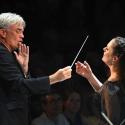
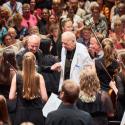
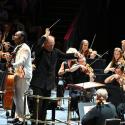
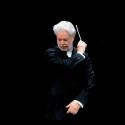
In 2021, Michael Tilson Thomas – conductor laureate of the London Symphony Orchestra – was diagnosed with glioblastoma, an aggressive form of brain tumour. Recent outings for the San Francisco Symphony have been greeted almost as farewell performances. Yet, despite his obvious frailty, he has travelled to London to conduct – twice, and without an interval – the full 100-plus minute sweep of Mahler’s Third with the LSO. After five of the six sections of Mahler’s vast exhilarating journey through the wild forces of nature and into the peace of love, Tilson Thomas seemed to have had enough, and closed his score. Alice Coote, the mezzo soloist, and nearby players helped coax him to stay – and to lead the LSO through the most transcendently ecstatic adagio Mahler ever wrote.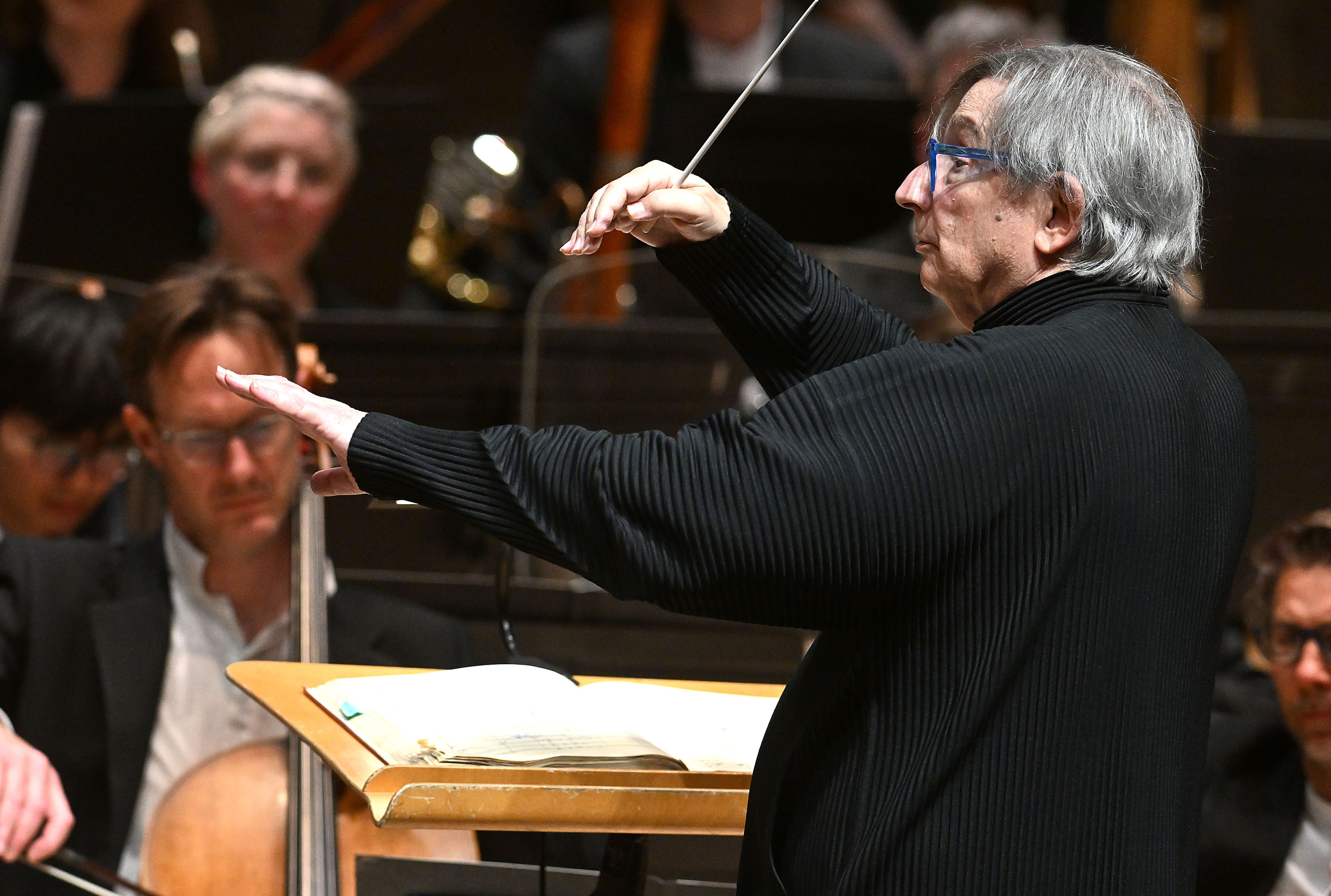 On such an occasion, the usual critical formulae hardly suffice. Of course this twilight visit to a beloved companion sounded very different to some routine performance by a star conductor in their prime. What was quite extraordinary was to witness the music “MTT” knows so well transmit its rejuvenating energy – its life-force – to this fragile figure on the podium. Increasingly, he seemed to inhabit the score (albeit with a more limited range of gesture and direction than before) and the LSO responded superbly to this ardent inward drama. Strange to think that Tilson Thomas’s early readings of the Third once prompted some critics to complain about his relative politeness and moderation. Here, every stupendous shift of mood and colour felt hard-won, heroic, and heartfelt. Mahler’s all-or-nothing musical battles became, once more, a truly high-stakes game.
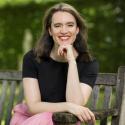
If the Third counts as a pastoral symphony, it’s one that depicts nature red in tooth and claw. In the massive coming-of-summer pantheistic fresco of the first movement, the eight-horn theme surged straight from the underworld, and a sense of menace never left the scene. From growling basses to piercing trumpets and squawking woods, the LSO and Tilson Thomas made this great march of life equally into a sinister, even violent, upsurge of chaotic energy, relentless and oppressive. With the all-important trombones (the impeccable Isobel Daws with Jonathan Hollick, Merin Rhys, along with their bass brethren Paul Milner and Joshua Cirtina) in the finest of fettle, MTT never held back on the movement’s raucous, aggressive dimensions. Against feral brass, thundering timpani, ominous offstage drums and scary clashing cymbals, leader Benjamin Gilmore’s tender violin, and David Cohen’s graceful phalanx of cellos, sang sweetly and not quite in vain. 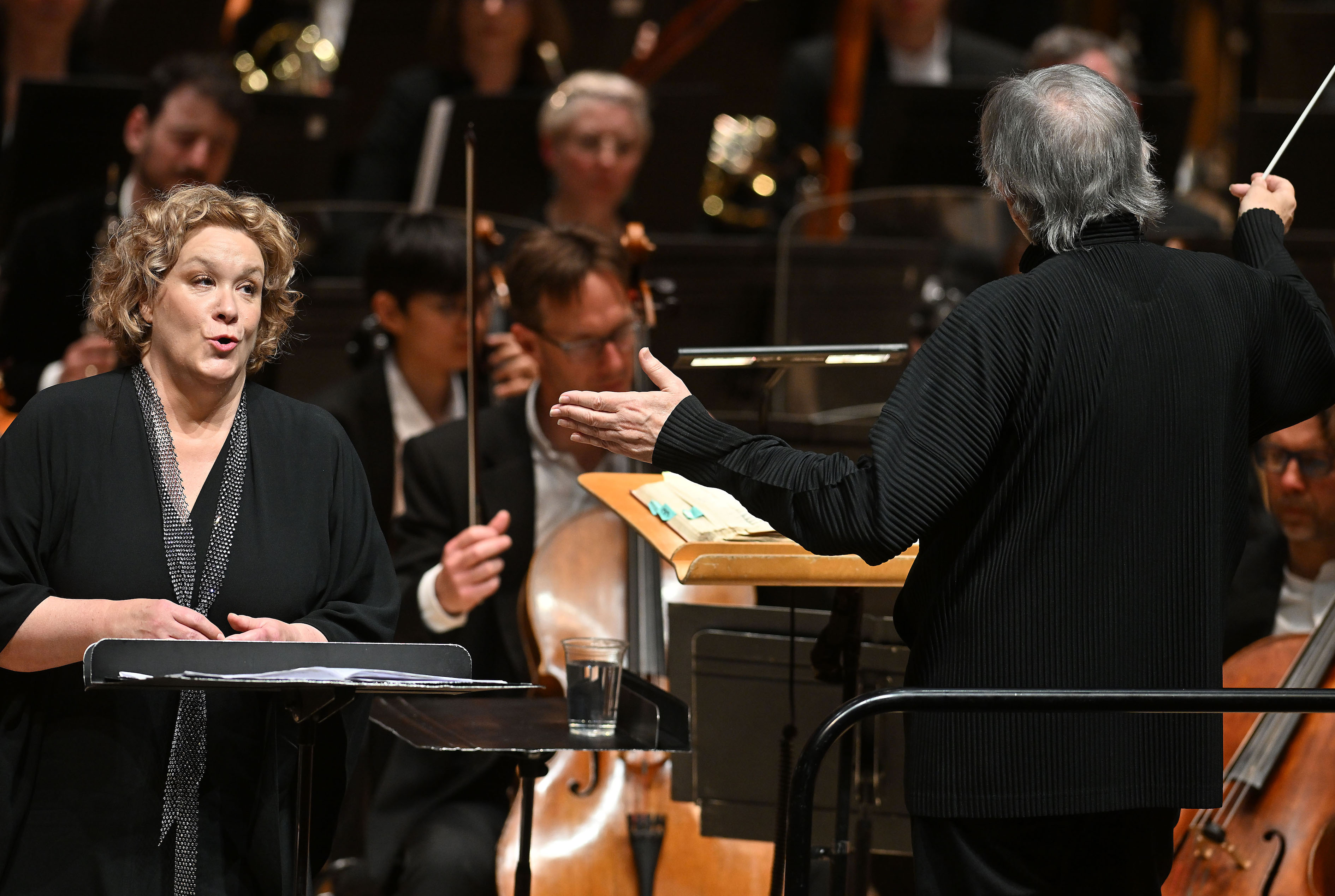 Measured, implacable tempi made this a very long haul, and so the cottage-garden charm of the floral minuet that followed felt all the more welcome, with the swoon and sheen of the LSO strings ravishing the ear. In the third movement, with its eerie evocations of forest birds and beasts, the uncanny woodwind calls – notably from Olivier Stankiewicz and the oboes – yielded to Matthew Williams’s offstage flugelhorn solo: an enchanting passage even if the Barbican acoustic (here and elsewhere) tends to dispel glimpses of magic and mystery. As for the Nietzsche setting (from Also Sprach Zarathustra) of the fourth, Alice Coote (pictured above) proved a wonderfully sure, firm and consoling interpreter of words that tell of a timeless joy deeper than grief. In this context, it was intensely moving.
When the angelic voices entered with their radiant song of forgiveness, the women of the LSO chorus and Tiffin Boys’ Choir made the bells ring with throughly human – and admirably disciplined – mirth and merriment as well as a proper touch of celestial awe. Tilson Thomas’s premature leave-taking, and hesitant recovery, makes it hard to write about the overwhelming final Adagio without sounding unduly mawkish. The LSO played quite magnificently. They guided him as he guided them. Solo flute (Gareth Davies), burnished horns and, again, peerless trombones partnered the warmly enveloping strings in a hymn of love that inched towards its ultimate vision of bliss. Mahler in this vein insists that the composing and performing of music is not some bloodless professional service but a profound and courageous act of human communication: a gift, an offering, not a commodity. Normally, listeners – and critics – have the luxury of forgetting that. Last night we all, gratefully, remembered.