
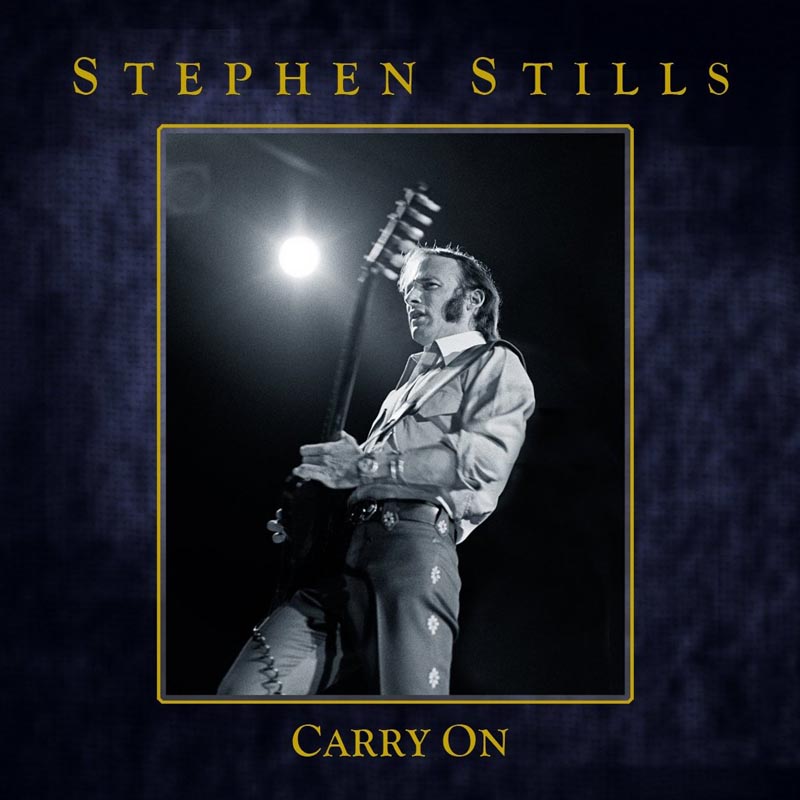
 Stephen Stills: Carry On


Suddenly, it's raining Duke Ellington homages. Stateside, there's Terri Lyne Carrington's Money Jungle: Provocative in Blue, a brilliant reimagining of Ellington's classic 1963 trio recording with Charles Mingus and Max Roach that recently hit the top spot on the JazzWeek radio chart. Here in the UK, the Scottish National Jazz Orchestra's latest release In the Spirit of Duke – recorded on tour during October 2012 – features an all-Duke programme which captures the Ellington Orchestra sound down to the tiniest detail.

He looks the part: straggly, desert hair and haunted fizzog. He sounds the part: opening dry rhythmic strumming over unchorded strings; acrobatic trills; percussive attack. Flanked on the left by two singers, Kiki Cortinas and Simón Román, and a shadowy dancer, Paloma Fantova, and on the right by second guitarist El Cristi and percussionst Israel Suárez, this flamenco stalwart decked out the Sadler’s Wells stage with the requisite musical equipment.

How much more of a melancholy experience walking round this exhibition would have been if its subject hadn’t just sprung a new album on us that’s so suffused with energy and life. It’s meant that the exhibition's title - David Bowie Is – feels like a genuine statement of fact rather than just wishful thinking, at least in the literal sense.

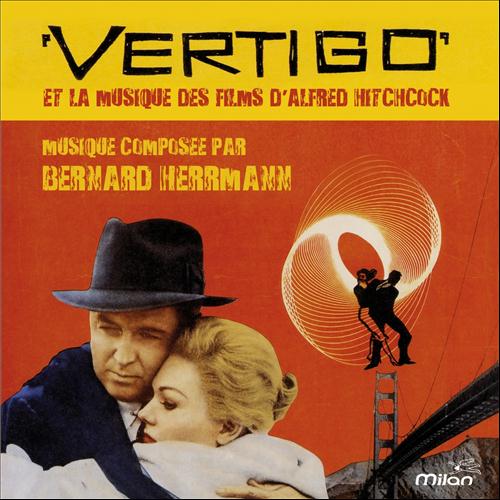 Bernard Herrmann: Vertigo and Music From the Films of Alfred Hitchcock

Rick Redbeard has a pirate’s name and a voice like deep, dark water. Behind the colourful alter ego stands (or, as was the case last night, sits) Rick Anthony, singer of The Phantom Band, the Scottish six-piece whose two albums – Checkmate Savage and The Wants – have recently stretched the admittedly painfully limited parameters of contemporary rock music to thrilling extremes.

What fire and grace on display last night at what he and we assume will be Wilko Johnson’s final London gig. It’s been a while since ticket touts were out in force outside one of his gigs (£200 for you, sir) although his career has been floating upward in the last couple of years, partly due to Julien Temple’s excellent documentary Oil City Confidential. We came to pay affectionate tribute to one of the great guitar stylists, who announced a couple of months ago that he had terminal cancer.

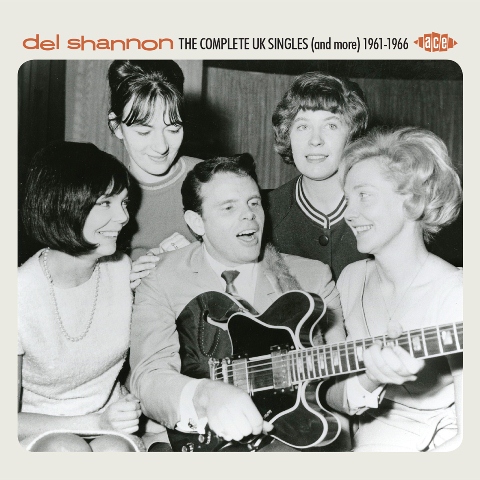 Del Shannon: The Complete UK Singles and More (1961-1966)

“Five years,” said former Mott the Hoople fan club president Kris Needs of the band’s lifespan. “That’s how long the Kaiser Chiefs have been around, but who cares?” It seemed an unfair measure. Mott split 39 years ago and the Leeds quirksters are still going strong. But in terms of stitches in rock’s rich tapestry, Mott’s, like the Kaiser Chiefs’, probably wouldn’t darn a sock.

Like a piece of conceptual art, it may be the idea rather than the actual music that is the most significant thing about the world premiere last night of Steve Reich’s Radio Rewrite. There will be a hundred times more people discussing the fact that Reich has taken on Radiohead than actually listening to it. Rather than variations, it's a 16-minute piece performed by the London Sinfonietta in which elements of a couple of Radiohead songs are referred to, often obliquely. Chords are shuffled around, but snatches of melody survive.