

There’s a Big Reveal that comes right at the end of this new indie movie from first-time writer/producer/directors Scott Elliott and Sid Sadowskyj (whose names, in retrospect, should have given the game away right from the start). For (complete spoiler alert!) this is Elliott and Sadowskyj’s own story, dramatised and put up on the big screen, with two young newcomers playing them as the movie’s leads. The film escorts us through their journey from York sixth-formers to successful young entrepreneurs, guided by a list of dreams they plan to pursue. One of which is – you guessed it – to make a movie. Scott and Sid is that very movie.
You might be starting to imagine some kind of postmodern, self-referential, Charlie Kaufman-esque conceptual mindbender. Don’t bother. Scott and Sid feels more like a simple vanity project. It might aim to inspire young people to follow their dreams, and to imagine what they can achieve with self-belief. But with its meandering structure, its sometimes questionable morals and its often implausible plotting, it falls far short of those noble intentions. By the end of its draining 100 minutes, it feels instead like little more than a self-indulgent celebration of Elliott and Sadowskyj’s own wheeler-dealing.
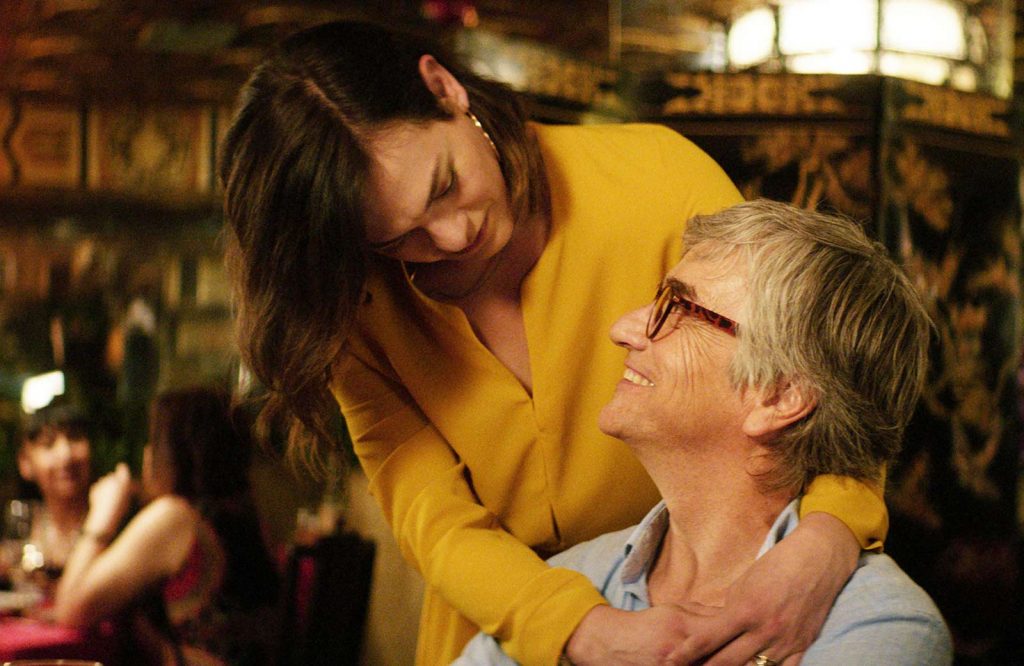
It can't have been easy being directed by the two guys you're supposed to be playing
Implausible, however, is a tricky word to use in this particular context. There’s plenty that’s implausible about a head teacher showing a miscreant pupil his pay cheque, or gangsters picking on a nerdy schoolboy to flog illegal alcohol, or even launching a successful print magazine business today. No doubt all these things did actually happen in Elliott and Sadowskyj’s real lives, but unexplained and unexamined in the context of the movie, they simply fail to convince.
But autobiography aside, Scott and Sid even feels unconvincing as a straightforward drama. Tom Blyth and Richard Mason give creditable if somewhat flat performances as the pair, but they never seem entirely sure about how far they should go with their characterisation. But to give them credit, it can't have been easy being directed by the two guys you're supposed to be playing. Their school is a place that crushes dreams, and their brief taste of university lasts just a few frames. Instead, they get by on some miraculously successful business ventures – taking advantage along the way of the stupidity of a couple of local gangsters, and also inadvertantly supplying a garage’s worth of free booze to Sid’s long-term alcoholic mother.
There’s potential here – for an exploration of male friendship, or of the hard graft needed for success in any field, or of resilience and adaptability. But none of these themes gets much of a look-in. Watching Scott and Sid is an extremely bizarre (possibly uniquely bizarre) experience, like someone talking you through their Twitter feed of how great their life is, all the fantastic things they’ve achieved, all the obstacles they’ve overcome. In their own self-curated reality, of course. What Scott and Sid’s leads achieve, however, is rarely shown to benefit anyone but themselves. Perhaps that’s the point. In fulfilling their ambition to create a movie, and then making it about their own lives, Elliott and Sadowskyj have pretty much closed their own self-absorbed circle.
Overleaf: watch the trailer for Scott and Sid




 Boy (James Rolleston) – real name Alamein, after the World War Two battle – is a Michael Jackson-obsessed 11-year-old in remote Waihau Bay in New Zealand in 1984, gamely looking after his gaggle of younger siblings and cousins while their grandmother is away at a funeral. Among them is his younger brother, six-year-old Rocky (Te Aho Eketone-Whitu, pictured above with James Rolleston), who’s convinced he has telekinetic superpowers, although they never seem to work (or rarely, at least).
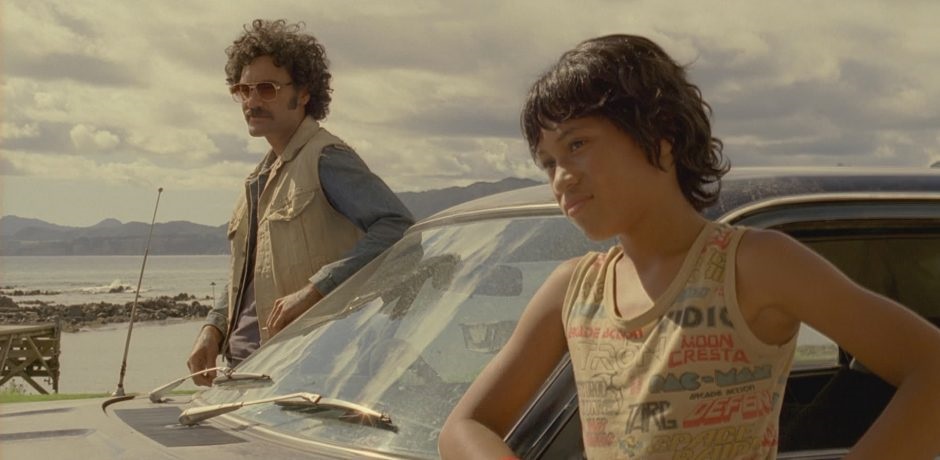 Waititi makes reference to the deprivation of his isolated community, but context is never overemphasised – Boy is very much the story of its characters, despite its portrayal of a Maori people somewhat adrift from the modern world. Likewise, Adam Clark’s expressive cinematography contrasts the jaw-dropping splendours of the North Island landscape with the grimy poverty of a community that seems to be simply killing time.


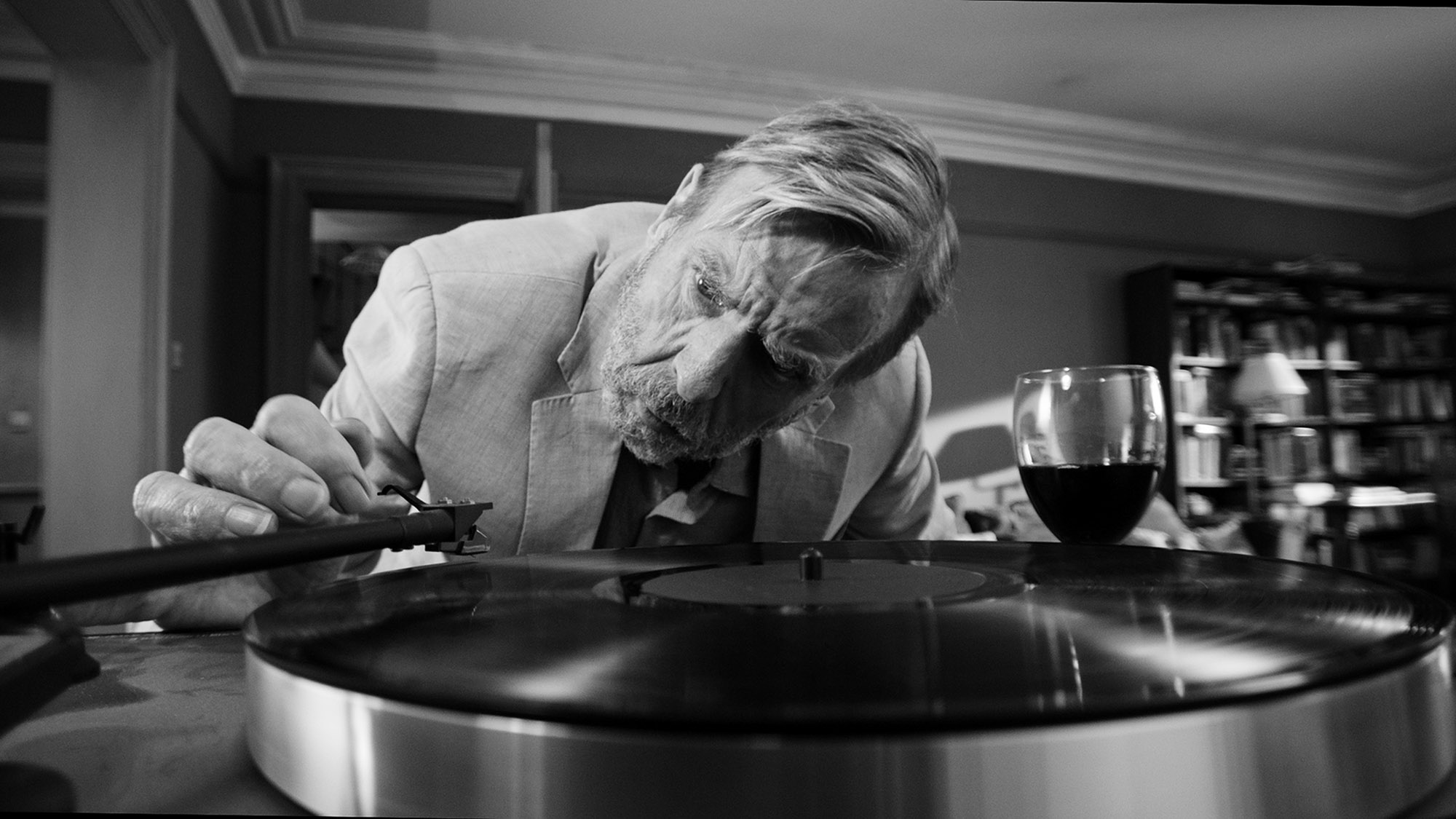 Once in full flow, it’s a pure joy to watch; the cast have a riot, bouncing around the rooms to an eclectic soundtrack provided by Bill’s record player. There are moments of true comic gold, from The Thick of It-style implications of the Shadow Health Secretary’s husband going private for a terminal diagnosis, to the daft panic when searching for the right music to revive a dying man. Disappointingly, the ending peters out with a whimper, unable to find a satisfying conclusion to the madness. The final reveal attempts one more rug pull, but it feels cheap in comparison to the excellence preceding it.