

Ben Gernon’s relationship with the BBC Philharmonic has been a richly rewarding one over the close-on seven years since his appointment as their principal guest conductor began, and indeed subsequently.
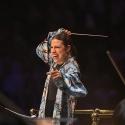
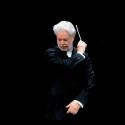
The impression gained on his first Bridgewater Hall concert with them back in 2017 – that one of his instincts is to give an orchestra what it needs and then let the players do what they do best – was again clear in this programme of popular repertoire works which he took over from an indisposed Mark Wigglesworth.
And as a brass player himself by background, he takes some care over the sound of the brass in the orchestral mix. He accepted Elgar’s suggestion that, for significant moments in the pattern of the Cockaigne overture, “two extra Tenor Trombones may be employed”, which gave a crowning touch of splendour to proceedings (on top of that provided by having three players to jingle the little bells in its street scenes and the sustaining sound of the organ at the climax). And when it came to Beethoven’s Fifth Symphony there was a team of three natural trumpeters to add their incisive quality to its lean and lively energy.
The overture began gently enough, but it wasn’t long before the brassy firepower was unleashed, along with thundering timpani. Gernon’s flowing (and stickless) beat, and his separation of the music into broad paragraphs, is always a boon: here we heard the contrapuntal mix of themes to fine effect (with a gesture to the tuba, of course, for its own brief notable motif), and warmth and what Elgar would have called “manly feeling” in the strings, led by Zoe Beyers. The approach to the last big reprise made a glorious noise.
Unusually, this programme saw the platform shedding string players as it went on. For Brahms’s Second Piano Concerto they were down to 43, the violas, cellos and basses each slightly up on conventional proportions (as befits the Brahms soundworld).
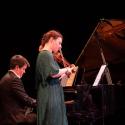
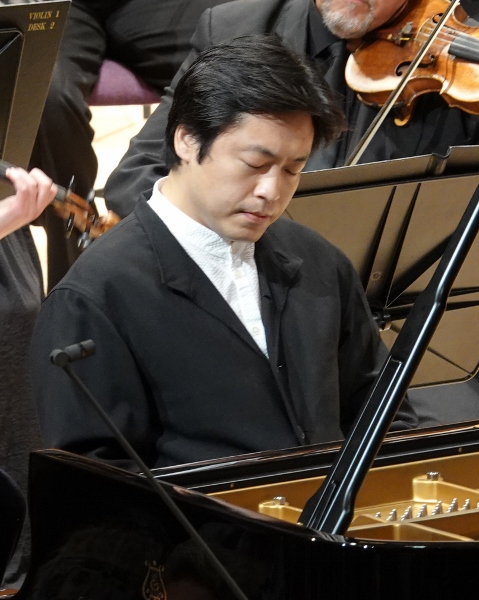 The soloist was Sunwook Kim (pictured left), for whom this is specialist and expert territory: he won the Leeds International Competition with the first Brahms concerto in 2006 and has since recorded both of them with Sir Mark Elder and the Hallé. He finds the melodic lines in every texture, making the thick chording into something sweet and lyrical. He's self-effacing when appropriate, giving pride of place to the orchestral solos (including a pure, sweet horn solo from Rebecca Levis), and his touch was perfectly limpid in the central part of the first movement and powerful in its latter section.
The concerto, in four movements, is symphonic in its effect. The changing moods of the scherzo-like second movement were vividly conveyed (the weight of those lower strings heard to advantage), and the climax powerfully built. The beauty of Peter Dixon’s cello solo at the opening of the slow movement was matched by Kim’s own dolce tone, and the finale bounced along with bell-like timbres from the piano, the music’s ebb and flow nicely enunciated – and a cracking pace for the closing presto.
For Beethoven’s Fifth the strings were down to Gernon’s preferred numbers for Beethoven symphonies – the conventional 40, arranged one desk fewer to each section going down the score, plus an extra double bass to make five rather than four. The balance was well judged, especially as heard in the second movement which was notable for a big range of dynamic and spiky precision in all areas.
The cellos distinguished themselves at the start there, too, and when it came to the scherzo-style third they and their larger colleagues managed to render the “gambolling elephants” (according to Berlioz) tune with great skill at a lively pace.
The finale, also moved along with alacrity, was bursting with life and energy and completed with another exciting presto.



Add comment