

Out of emergencies may come revelations. Sir András Schiff has broken his leg, and we wish him a super-speedy recovery. At the Proms, his promised Art of Fugue will have to wait. Korean pianist Seong-Jin Cho, a past winner of the Chopin Prize, stepped in yesterday with a late-night recital programme that at first glance could hardly have looked more alien to the austere grandeur of Bach’s contrapuntal epic.
Cho followed three pieces from Ravel’s Miroirs with the second book, “Italie”, of Liszt’s rhapsodic musical scrapbook of his travels of the 1840s, Années de Pèlerinage. The first revelation emerged from the discovery that hardly any of these pieces, as solo piano works, had ever been heard at the Proms before – although Ravel’s “Alborada del gracioso” has featured in its orchestral version. The Liszt has, amazingly, never graced the Albert Hall. Forget Sam Smith or the Disco Prom: it turns out that once-familiar mainstays of the Romantic piano repertoire remain uncharted territory.
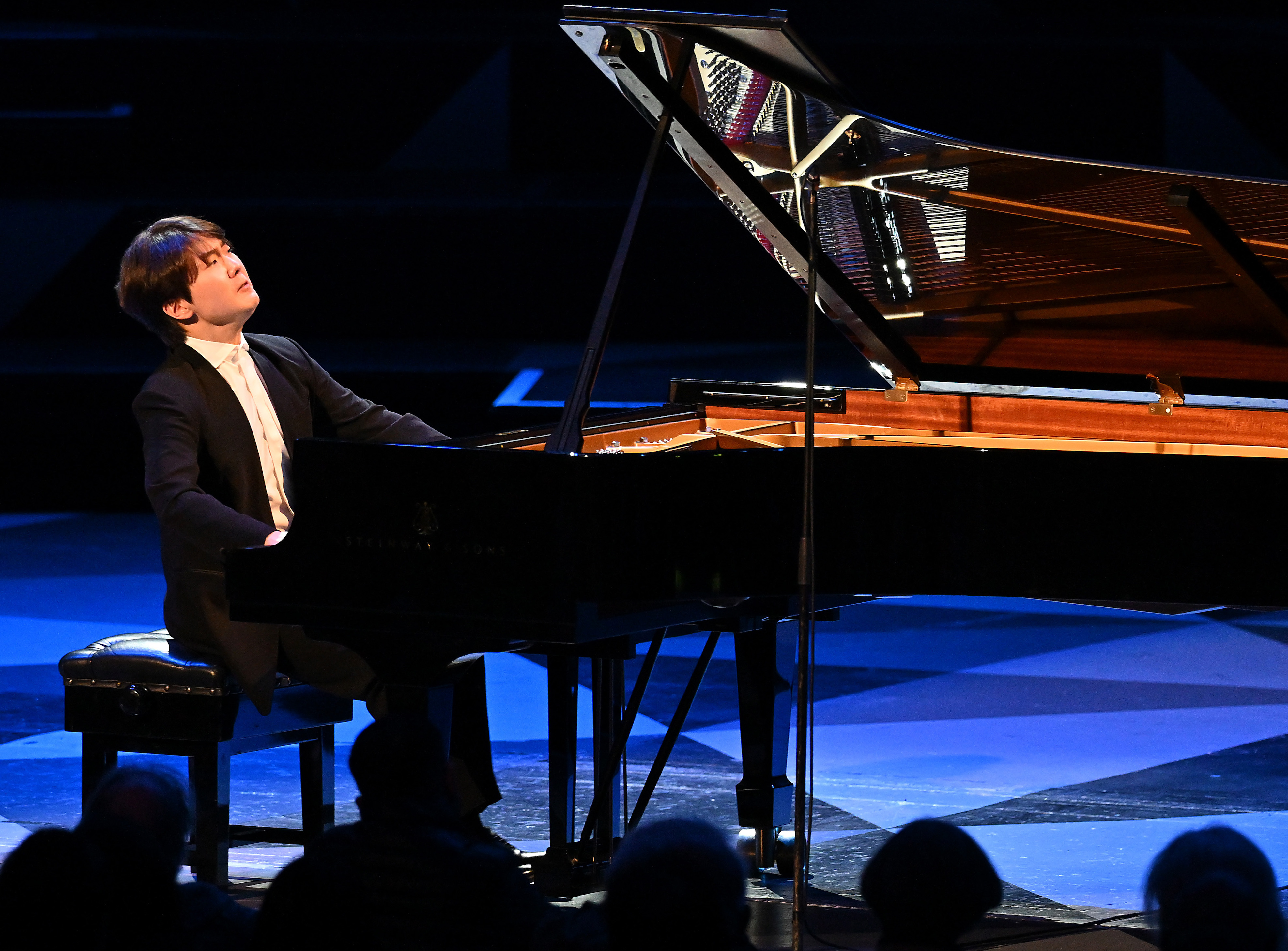 Spotlit, serene, an elegant and unflustered presence, Cho made a winning case for both parts of his bill. If anything, the dancing, rippling fluidity of the Ravel showed off his gifts to even better advantage than the Liszt. We could hear why he won the Chopin Prize as the glittering iridescence of “Oiseaux Tristes” gave way to the liquid, gliding passagework of “Un barque sur l’océan” and, finally, the gently percussive delicacy and rhythmic refinement – no over-emphatic Hispanic clichés here – of his “Alborada de gracioso”. Cho’s chromatic drifts and clusters of pianistic colour captivated and enchanted. When necessary he found pulse, and power, to propel the surface sparkle.
No stranger to dance-driven French galanterie or Italian decorative glamour, Bach might have grasped much of what was going on with the keyboard extravaganzas of later centuries. But the quasi-autobiographical programme of Liszt’s musical journeys would surely have perplexed him, even if the Italian album of Années de Pèlerinage takes its cues from visual and literary artworks (Raphael, Petrarch, Dante) rather than the natural wonders of the Swiss series. But then “Lisztomania” has largely faded in Europe too – although, curiously, this work’s moody chronicle of a wandering soul has another major East Asian fan in the shape of Japanese bestseller Haruki Murakami. From the title on, the Années de Pèlerinage recur as motif in Murakami’s novel Colorless Tsukuru Tazaki and His Years of Pilgrimage.
Cho’s playing, however, often emphasised formal patterning more than vagabond self-expression. So even JSB might have found something familiar to recognise. In the opening Raphael-inspired “Sposalizio”, or the three Sonnets from Petrarch, the play of left- and right-hand voices and the balance between chordal progression and melodic explorations in the upper register reveals a Romantic pioneer still with an eye on the past. Even when the crashing bass came into play, Cho gave us supremely tasteful thunder, free of any histrionic gestures. Too restrained? Perhaps, but Cho made a change from hyper-Romantic melodrama. The lovely “Canzonetta del Salvator Rosa” brought charm and panache to the earworm-like folk tune. Throughout, his subtle legato and cantabile lines enveloped the Hall in a sort of spellbound dreaminess.
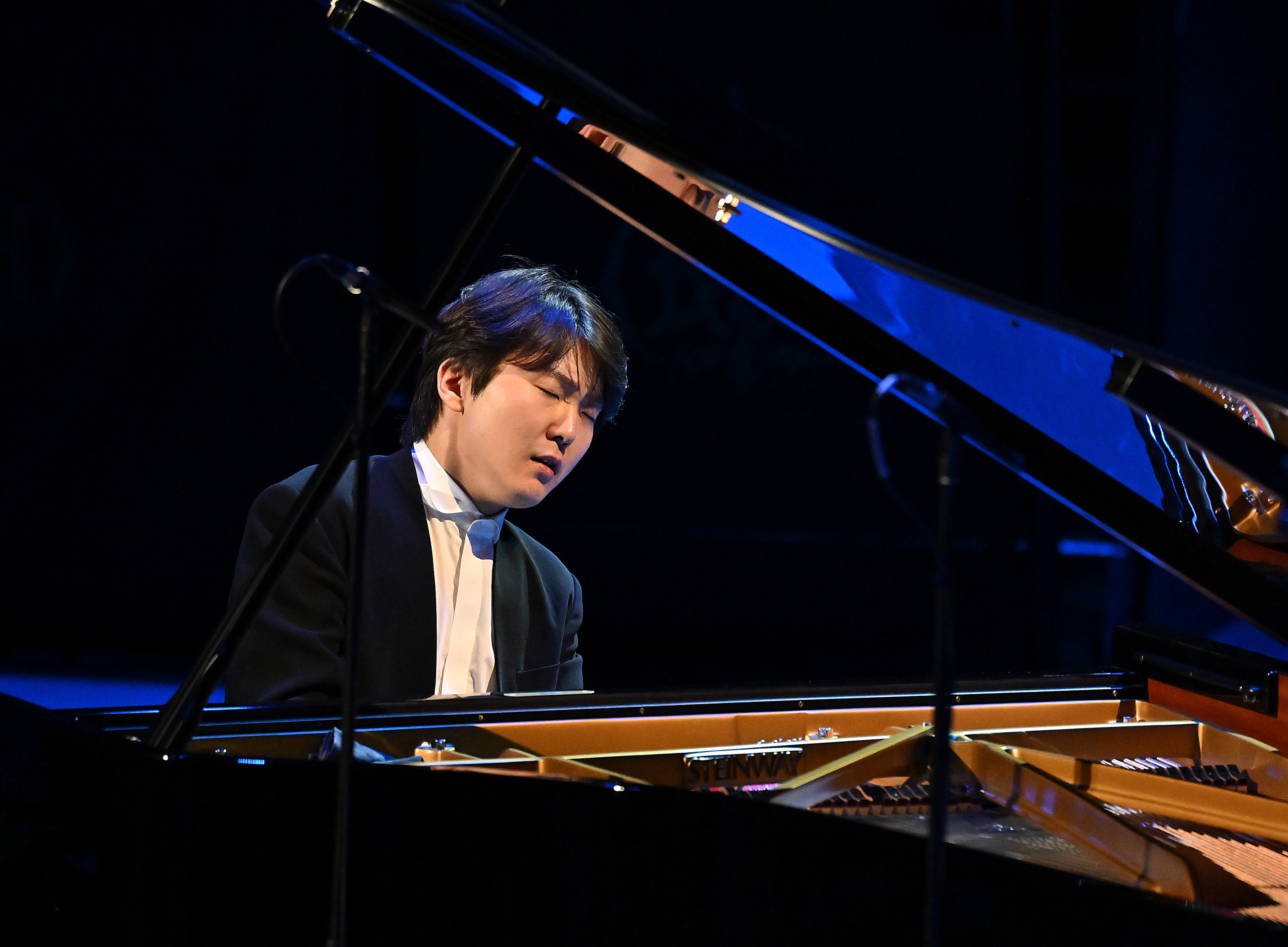 But Liszt’s Italian sequence stands or falls by its large-scale closing piece, “Après une lecture de Dante”, dubbed by the composer “Fantasia quasi Sonata”. Well, which is it? As the hybrid composition passes between Inferno and Paradiso, Cho let us hear the simmering tension not just between hellish torment and heavenly bliss but music that keeps within some formal bounds, and personal style that wholly overflows generic banks. Liszt the arch-improviser would surely also have piqued Bach’s professional interest.
Cho’s infernal drama felt a touch too well-mannered, perhaps, although he managed to thicken textures in the bass without any muddiness. The celestial trills and runs of Liszt’s vision of paradise sounded rather more to his taste: Cho isn’t, on this showing, a posturing Stürm und Drang pianist. His lightest touch delights. And the encore, Liszt’s distinctly Chopin-like “Consolation no. 3”, magically played to his considerable strengths. On a prematurely chilly pre-autumn night, here was sunlit pianistic radiance to cherish.




Add comment