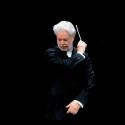
Mahler’s Sixth is one of those apocalyptic megaliths that shouldn’t be approached too often by audiences or conductors. It’s been a constant in Simon Rattle’s treasury since 1989, when he first recorded it with his City of Birmingham Symphony Orchestra (they performed it together at the Proms in 1995) to now, when the second of the Bavarian Radio Symphony Orchestra concerts followed a recording. Sophisticated, yes, but where was the feral intensity?
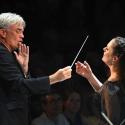
Perhaps we've just now been spoiled at the Proms by two conductors who seem so mesmerisingly immersed in every moment. Rattle's Mahler no longer seems to live and breathe in quite the same almost hallucinogenic way as Kirill Petrenko's Smetana or Klaus Mäkelä's Berlioz. Partly it's a question of momentum. For this listener, it felt inorganic for Rattle to linger over the ghostly woodwind chorale that links the first movement's marching grimness with its great lyric outburst, or the hushed mountain vision which briefly interrupts the hurly burly; the BRSO's cusp-of-audibility handling of both would have been just as magical at a slightly quicker tempo. 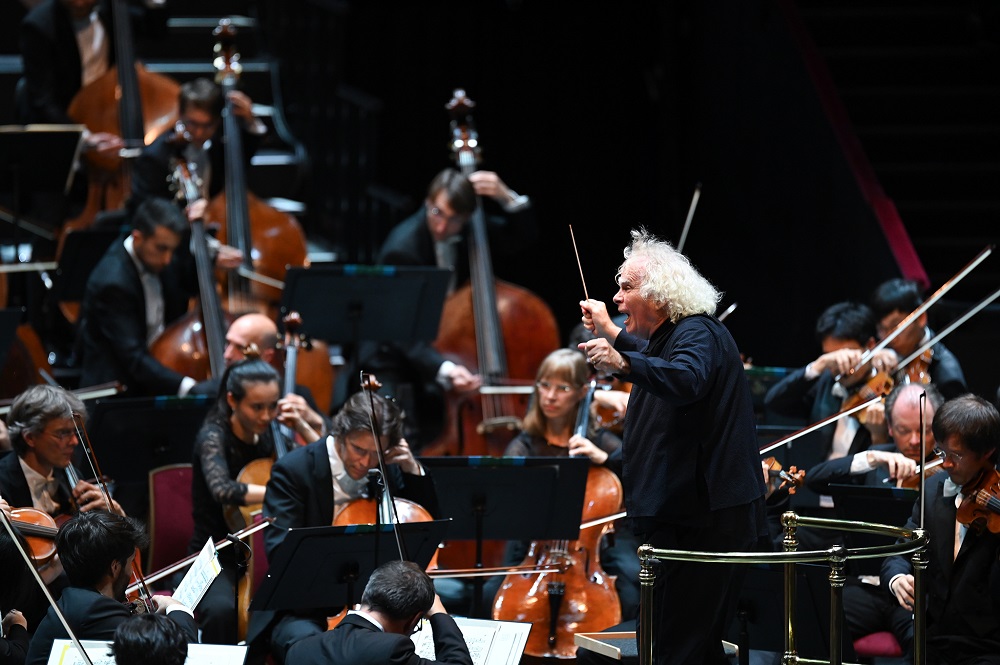 Nor does the Andante need to feel like an Adagio, save for an inappropriate spurt at the climax. Undeniably the quietest moments, pausing for change of mood, were more supernatural than ever, but this is in parts another song without words, a very different take from the Fifth's Adagietto, and needs shaping as such. Ironically its elevated status made even more of an argument for being placed third in the sequence; Rattle has always preferred what are supposed to be Mahler's final thoughts on idyll followed by scherzo (which doesn't work for me, given that the scherzo is an ironic-grotesque replay of the opening movement; Haitink's Proms performances convinced that way). This grim joke, though hotfoot from hell and with every sinister shadow cast from muted horns to contrabassoon extinction, was spring-heeled, but linked effectively at least with a finale which rose up immediately from the embers. One argument, incidentally, in favour of this order is that the creepy figure which stalks the children's games gets turned on its head in the ensuing slow introduction.
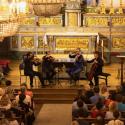
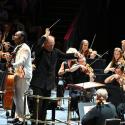
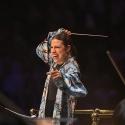
In this second half, Rattle's drive was irreproachable, the welters of the march-mania trenchantly clear with rushing inner lines from ever-impressive violas and the wo hammer blows, mallet wielded on wooden platform by a polite-looking percussionist, more resonant than I've ever heard them. The Bavaran brass is supremely cultured, and Stefan Tischler's silver tuba (pictured below in the centre) underpinned so much with baleful magnificence. 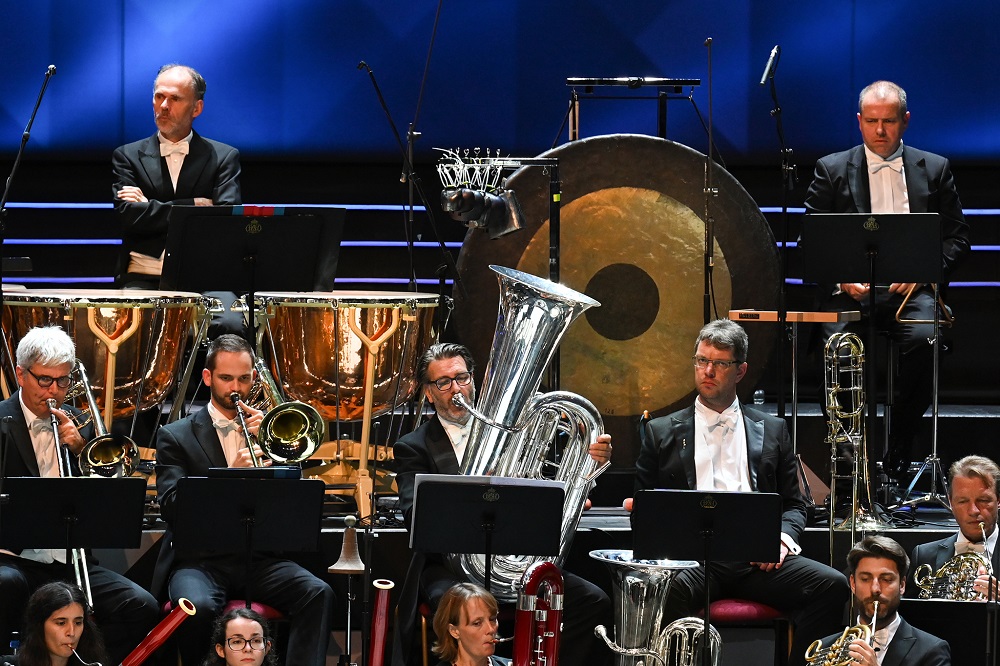 So what was missing? This is where I have to question my own long-term exposure to the symphony, and ask whether the wonder of those early acquaintances with all the excess has worn off. Or has it for Rattle too? Next time, let's hear a young conductor tackle what still seems like an adolescent statement of doom decked out in a master's orchestration, complete with a weird exhilaration despite the nihilistic ending.