 Gabriela Montero: Piano Concerto No 1, ‘Latin Concerto’, Ravel: Concerto in G Gabriela Montero (piano), The Orchestra of the Americas/Carlos Miguel Prieto (Orchid Classics)
Venezuelan pianist Gabriela Montero describes herself as “a globalised, Latin-American woman raised on a diet of European classical music with multiple side-dishes of Pan-American folklore.” Her Piano Concerto No 1 succeeds because the Latin elements are so seamlessly integrated. This is the most viscerally exciting contemporary concerto I've heard, rivalling Stewart Goodyear’s Callaloo in terms of impact. How well, how subtly it begins too; a minute or so of quiet rumination erupting without warning into a punchy mambo. You're reminded of Bernstein's The Age of Anxiety, and as with that unwieldy work there’s an omnipresent undercurrent of violence and menace. That this is a live performance adds to the excitement, Montero and conductor Carlos Miguel Prieto sending up shock waves in the faster passages. And then you'll reach a passage like the first movement’s fragile, introspective centre, music of incredible sadness and nostalgia. Things rapidly pick up speed again (listen out for the trumpet trill eight minutes in!), though the unease remains. A mixture of rapture and pain characterises Montero’s middle movement too, and the last movement’s abrupt, triumphant final chord suggests a narrow escape from chaos as much as an affirmative ending. All superbly enjoyable.
And it's coupled with Montero's take on an established classic, Ravel's Concerto in G. The jazz rhythms are wonderfully unforced, the percussive piano writing dispatched with incredible punch. But the work’ softer side isn't undersold – sample Montero's first movement cadenza (aided by peerless harp and wind solos), and the warmth with which she brings us back down to earth. And has the movement’s coda ever packed such a kick? I like Montero's tender Adagio assai – again, the wind solos are exquisite. The Presto explodes. You'll hear details in this performance you won't hear anywhere else, and prepare to be amazed by The Orchestra of The Americas’ fearless principal bassoon. A brilliant disc, superbly recorded.
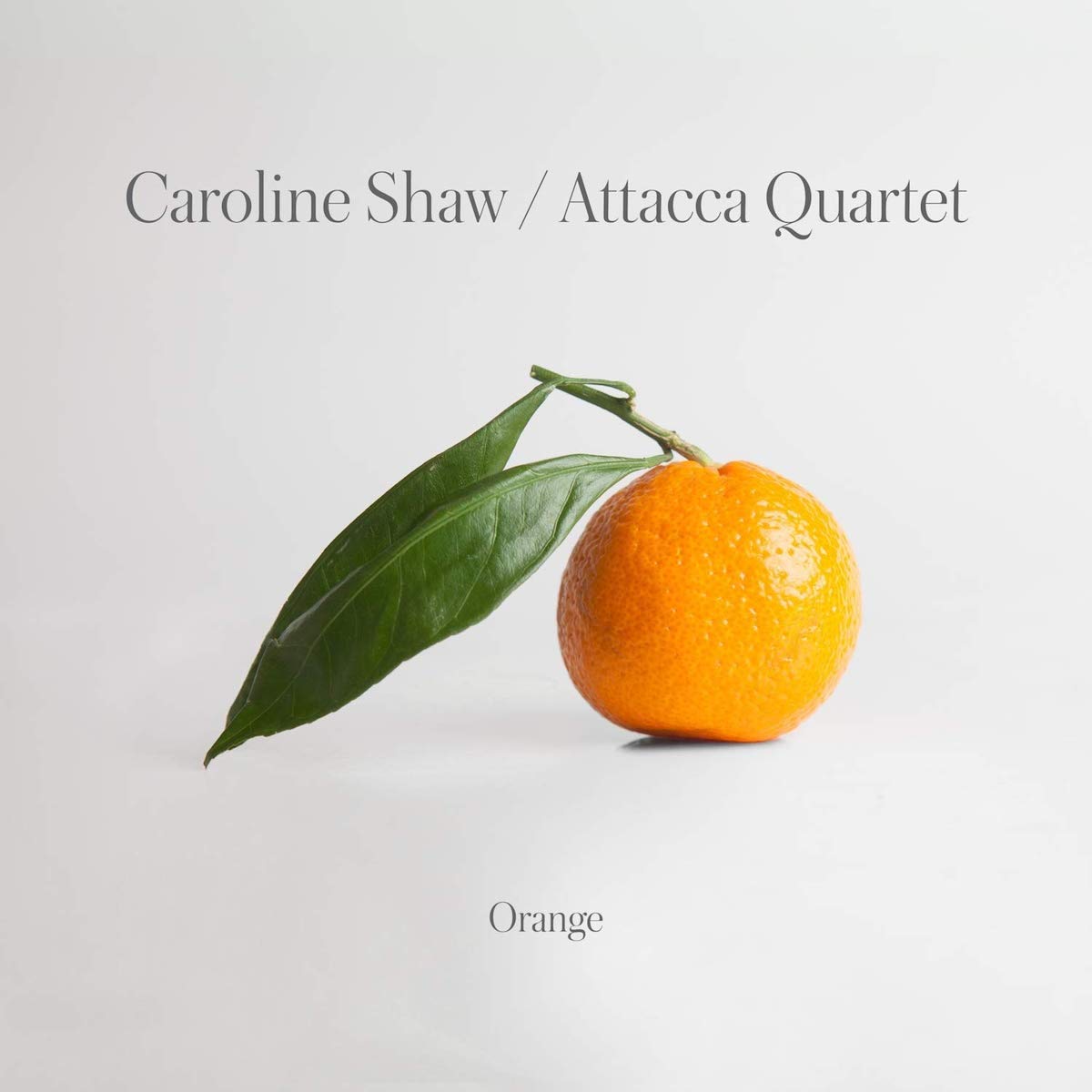 Caroline Shaw: Orange Attacca Quartet (Nonesuch)
“The thousandth orange that you eat is just as extraordinary as the first.” Meaning, presumably, that life’s simpler pleasures never pall, and that even the most familiar musical tropes can still delight when they're in safe hands. Caroline Shaw won a Pulitzer Prize in 2013 for her vocal work Partita. Find a clip on YouTube - it's mind blowing music, both smart and fun. Orange is an album rooted in the earth (“hints of past years’ growth remain in the soil, and so the new growth has been partially shaped by the old”), its nods to Haydn, Mozart, Bartók and Ravel never obscuring Shaw's own voice. Oranges crop up in “Valencia”, the sweet, acidic harmonies matching the simple pleasure of sinking ones teeth into a ripe fruit. And again in the five movements of Plan & Elevation, inspired by the grounds which Shaw explored at Dumbarton Oaks. Listen closely and you'll hear the different bass lines which underpin each section, and sense Shaw's cheeky pushing against the formal boundaries she sets herself. There's a fantastic moment in “The Herbaceous Border” where things almost get out of hand, before “The Orangery” restores a semblance of order.
“Ritornello 2.sq.2.j.a” comes closest to contemporary American minimalism, prompted by a fascination with baroque arias, and the disc winds down with ”Limestone & Felt”, percussive, brittle jabs of sound overtaken by soft, velvety ones. So much contemporary quartet writing is spare and skeletal. Shaw can do that too, but more often she's luxuriating in fulsome, sumptuous diatonic major chords, and Nonesuch's superb engineering puts us close to the action. A treat: Shaw writes good sleeve notes and the design values are impressive too.
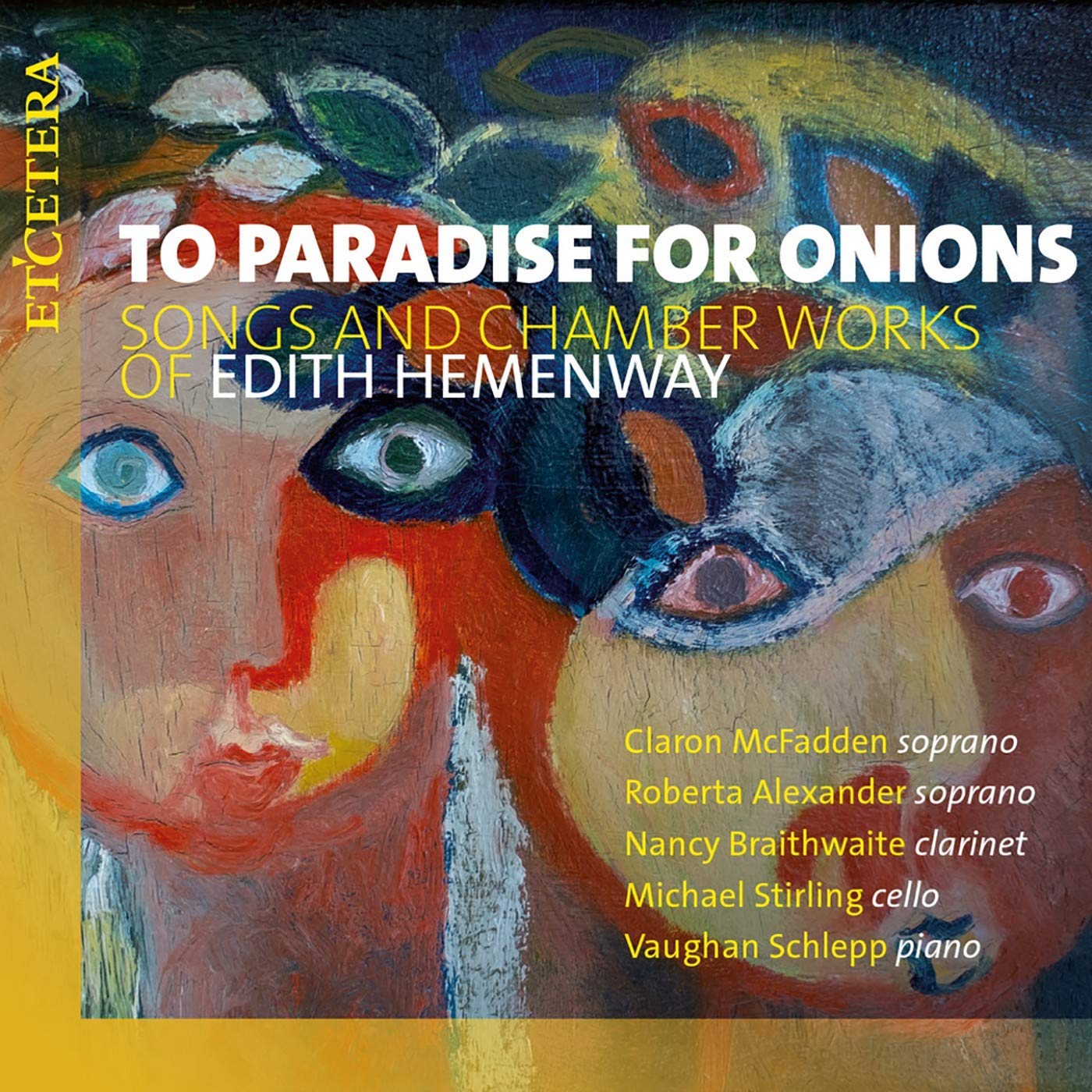 To Paradise for Onions – songs and chamber works of Edith Hemenway (Etcetera)
Edith Hemenway is still composing in her nineties, her long career as a musician taking in spells as a pianist, teacher and composer. You sense that she's an eminently practical musician, keen to create work that's readily accessible and fills a need, her output including several children's operas, art songs and chamber music written for longstanding friends and collaborators. Two of the six pieces on this anthology were written for clarinettist Nancy Braithwaite. A Child's Garden of Verses dates from 1984, six small but perfectly formed settings of verse by Robert Louis Stevenson. Sweetly sung by soprano Claron McFadden, with pianist Vaughan Schlepp, they're unassumingly delightful, and a model of how to write deceptively complex music for young audiences. Braithwaite’s clarinet never feels tacked on; she's as important as the other two voices. Asian Figures was conceived as a duet for clarinet and piano: nine gnomic miniatures inspired by translations of oriental poetry. The title track, To Paradise for Onions, is an attractive extended aria for clarinet, and there's also Hemenway’s Questions of Travel for clarinet, cello and piano: tiny vignettes describing flea-ridden dogs and unreliable rental cars. Braithwaite's mellow, woody tone and liquid slurs serve the music well, backed up by Schlepp and cellist Michael Stirling.
Braithwaite, Stirling and Schlepp join McFadden in Doors, three downbeat but attractive poetry settings. Better still are Four Poems of Langston Hughes, McFadden joined by veteran soprano Roberta Alexander. The pair’s electricity is palpable, the gloom of “Down and Out" and "Midwinter Blues" offset by Hemenway's gift for squelchy harmonies and long, lyrical lines.