

How can an orchestra perform the music of the future? This was the question posed by Francois-Xavier Roth, congenial maestro and charming educator, as the standard concerto for platform arrangers played out behind him on the floor of LSO St Luke’s. Roth had just offered one confident answer to the question, with the first performance of Dr Glaser’s Experiment by Darren Bloom.
classical music reviews
Glyn Môn Hughes

A double dose of Einaudi may not be the best programming idea. A world premiere in the first half and then a UK premiere in the second part of the concert was, perhaps, overegging the musical recipe. But add to that some Respighi and some Bernstein, with conductor Damian Iorio in charge, and things turned out not so bad after all.
Marina Vaizey

Virtuoso Violinists was an hour of unalloyed informative pleasure that toured televised highlights of great violinists playing great music. Its painless excursion into the western classical canon reminded us why the BBC is the NHS of culture, and we delighted here in a guide who proved as accomplished a presenter as she is a performer of genius.
Jessica Duchen

It’s always heartening to see a full house for a debut recital, though when expectations run so high, the stakes for the pianist can be dangerously raised. No worries at St John’s Smith Square, though, for Seong-Jin Cho.
Graham Rickson

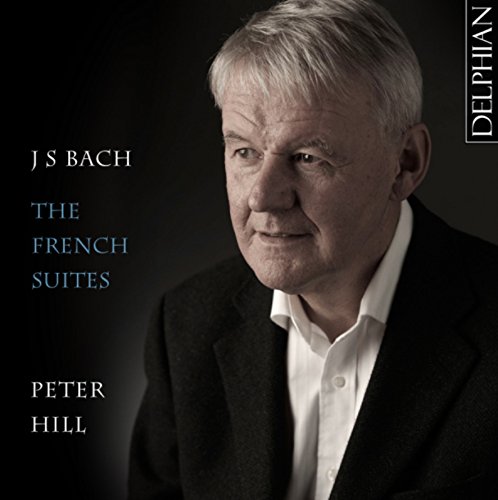 Bach: The French Suites Peter Hill (piano) (Delphian)
David Kettle

It was to have been the culmination of principal conductor Robin Ticciati’s Brahms symphony cycle with the Scottish Chamber Orchestra. But with Ticciati laid up with a herniated disc, we’re told, it fell to the SCO’s principal guest conductor Emmanuel Krivine to step in at the last minute. What Ticciati would have made of the concert, and of the concluding Brahms Fourth, of course, we’ll never know – and it would be churlish to speculate. What Krivine did make of the evening, however, was something really rather remarkable.
Richard Bratby

Funny thing, musical fashion. Most listeners would call Borodin’s Polovtsian Dances a popular classic – yet before tonight, I doubt they’d had a professional performance in Birmingham this century. Then there’s the case of Osvaldo Golijov. Remember him? The very fact that it’s taken 10 years for a work as substantial and appealing as his cello concerto Azul to receive this UK premiere tells you all you need to know about how far his stock has fallen – at least for now.
Gavin Dixon

Nature, nationalism, folk culture: the broad themes of Norway’s visual arts map easily onto its music. That has given Leif Ove Andsnes and his colleagues plenty of leeway in planning their musical tributes to the painter Nikolai Astrup. For this, their second programme at the Dulwich Picture Gallery (which is hosting the first ever exhibition of Astrup’s work outside Norway, and the first major one worldwide) the three musicians presented a range of surprising facets of the nation’s musical psyche.
David Nice

It's rare that a sponsor does more than stump up the money for culture and sometimes request a mention in a review (usually ignored).
Graham Rickson

 Francis Chagrin: Symphonies 1 and 2 BBC Symphony Orchestra/Martyn Brabbins (Naxos)